EAR PINNING SURGERY
RESHAPE & BALANCE
NATURAL, CONFIDENT EAR CONTOURS
Ear pinning surgery, also known as otoplasty, is a cosmetic procedure designed to reposition prominent ears closer to the head for a more balanced and proportionate appearance. The procedure helps improve ear symmetry, facial harmony, and overall confidence while maintaining natural-looking contours.
Procedure Time
Recovery
Anaesthesia
1000+
Understanding the Procedure
What Is
Ear Pinning Surgery?
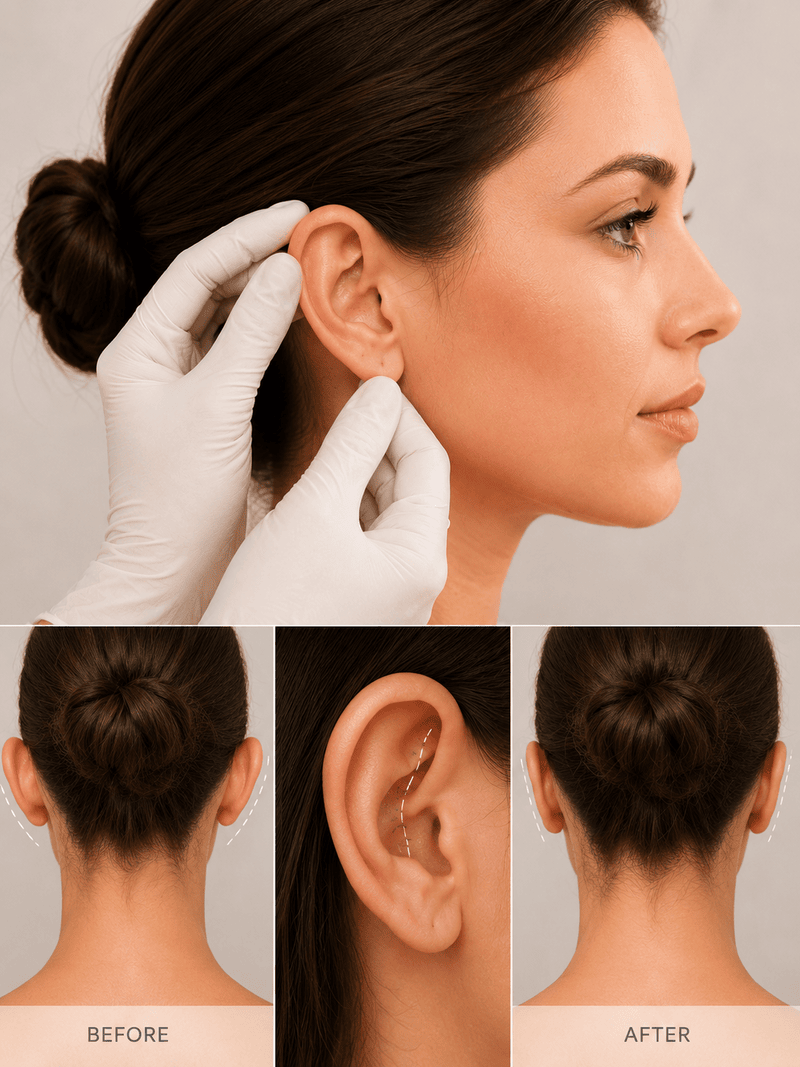
Ear pinning surgery, medically known as otoplasty, is a cosmetic surgical procedure designed to reposition, reshape, or refine prominent ears. The procedure brings the ears closer to the head and improves overall symmetry while preserving natural ear contours and appearance.
Ear pinning is commonly performed on both children and adults who feel self-conscious about ears that protrude or appear asymmetrical.
Modern ear pinning techniques focus on creating subtle, natural-looking improvements while minimizing visible scarring whenever possible.
Who Is This Procedure For?
Are You a Good Fit?
Am I a Good
Candidate?
- You are in good overall health with no serious medical conditions
- You have prominent or protruding ears
- You feel self-conscious about ear appearance
- You want improved facial symmetry and balance
- Your ears are fully developed
- You have realistic expectations about the outcome
- You are a non-smoker or willing to stop before surgery
- You can take time off for proper recovery
Not Sure If You Qualify?
- One-on-one consultation with an expert
- Personalized treatment planning
- No obligation to proceed
Your Journey
What to Expect
Before Surgery
Preparation
Surgery Day
Healing
The Outcome
WHY CONSIDER EAR PINNING
The Benefits of
Ear Pinning Surgery
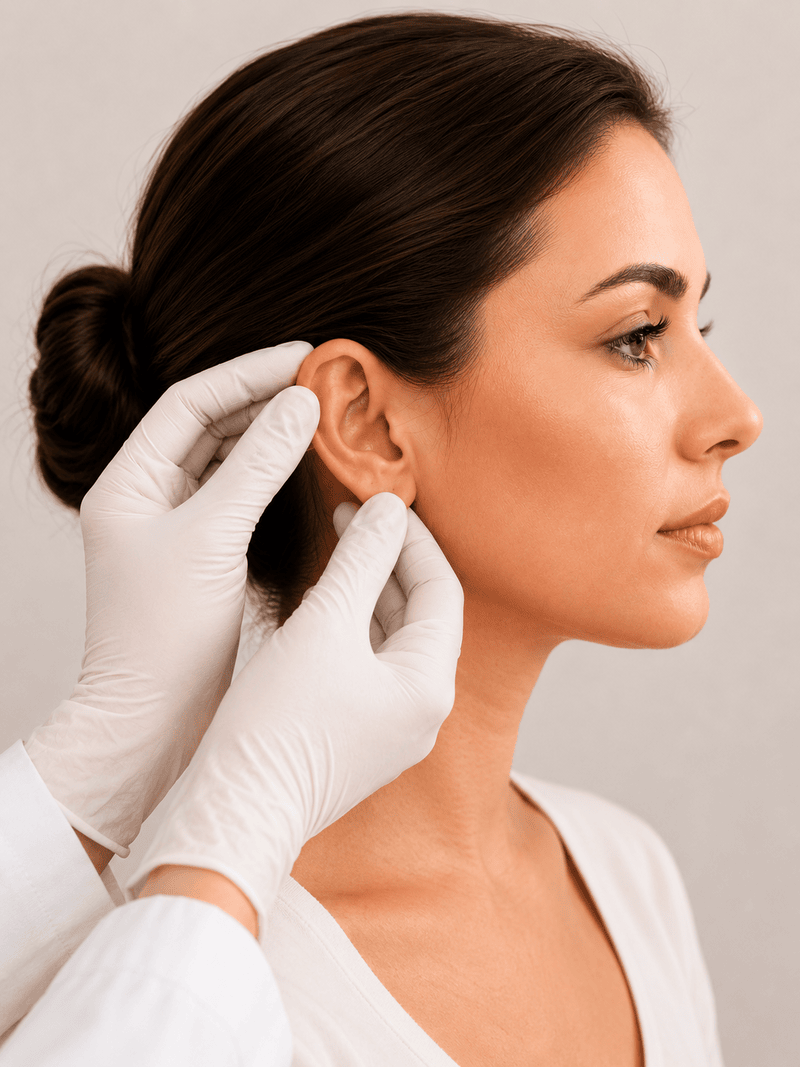
Improved Ear Position
Repositions protruding ears closer to the head for a more balanced appearance.
Enhanced Facial Harmony
Creates better proportion between the ears and facial features for improved symmetry.
Natural-Looking Results
Modern techniques focus on subtle reshaping while preserving natural ear contours.
Corrects Ear Asymmetry
Improves uneven ear positioning and contour irregularities for a more refined appearance.
Long-Lasting Improvement
Results are durable and designed to maintain ear shape and positioning over time.
Boost in Confidence
Many patients feel more comfortable and confident in social settings, hairstyles, and photos after surgery.
Transparency First
Risks &
Considerations
Swelling & Tenderness
Mild swelling, bruising, and tenderness are common during the first week and improve gradually with healing.
Scarring
Incisions are typically hidden behind the ears, making visible scarring minimal in most cases.
Temporary Numbness or Sensitivity
Some patients may experience temporary numbness or sensitivity around the ears during recovery.
Anaesthesia Risks
Local anesthesia with sedation or general anesthesia carries standard risks, which are carefully monitored by the medical team.
Healing Variations or Asymmetry
Healing differs from patient to patient. Minor asymmetry or contour irregularities may occasionally occur during recovery.
Infection or Cartilage Irregularities
Rare but possible. Prevented with sterile techniques and managed effectively if detected early.
Investment & Financing
Cost &
Financing Options
Typical Range
Get a Personalised Quote
- Surgeon fee
- Anaesthesiology fee
- Accredited surgical facility fee
- All pre- and post-operative appointments
- Medications and dressings
- Follow-up support during recovery
Common Questions
Ear Pinning Surgery
FAQs
How long does ear pinning recovery take?
Will the results look natural?
Will there be visible scars?
When will I see final results?
Is ear pinning permanent?
Is ear pinning surgery painful?
Can children undergo ear pinning surgery?
How do I prepare for my consultation?
You May Also Consider
Related Procedures
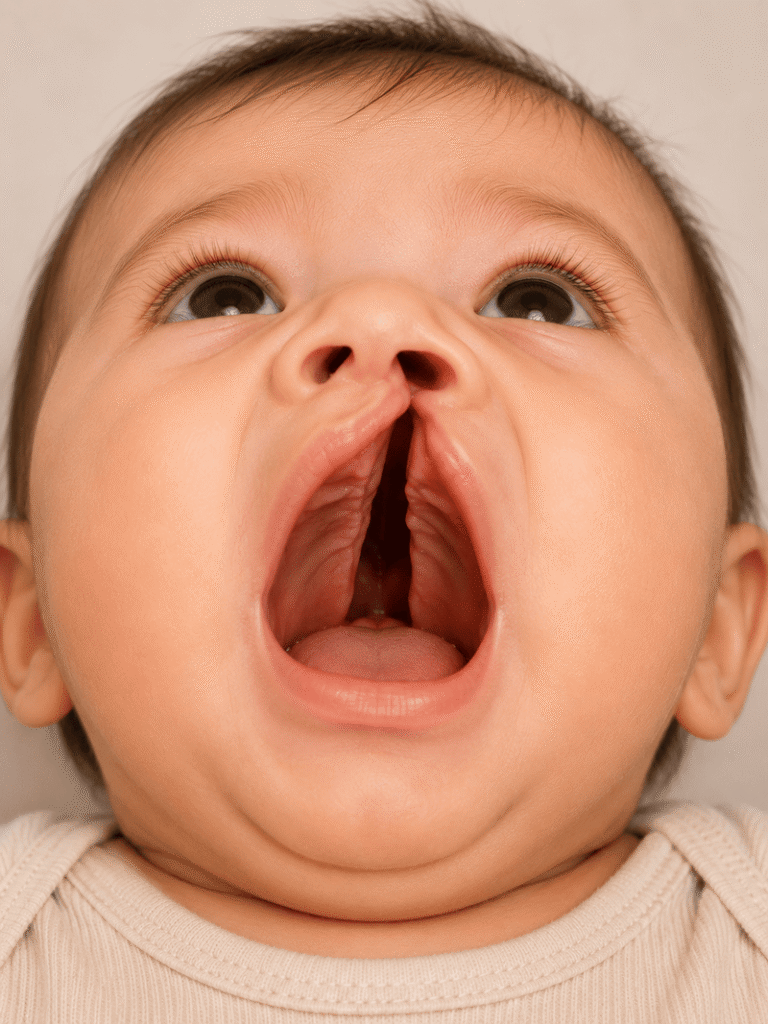
Pediatric Surgery
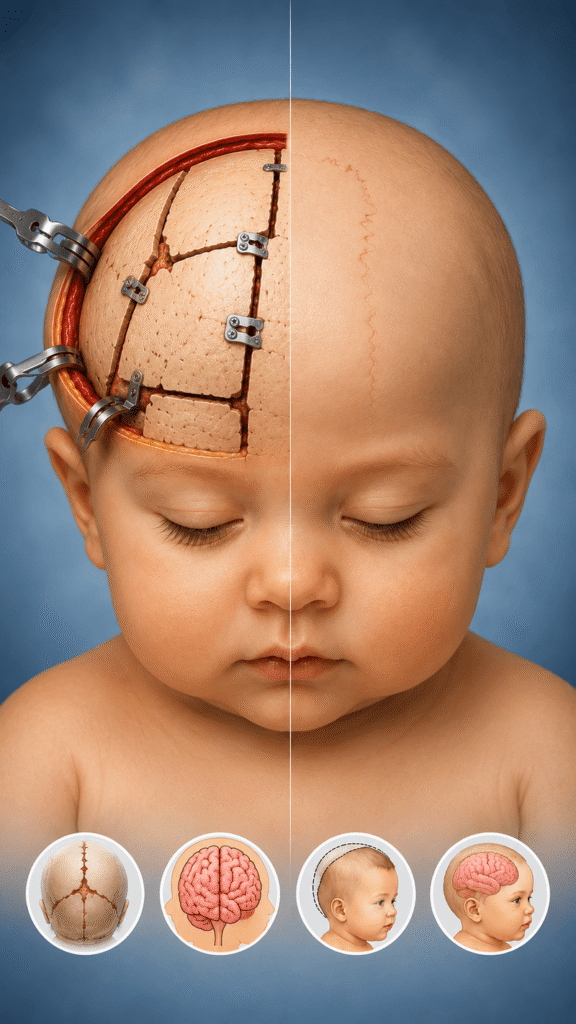
Pediatric Surgery