BREAST AUGMENTATION SURGERY
ENHANCE & DEFINE
FULLER, NATURAL CURVES
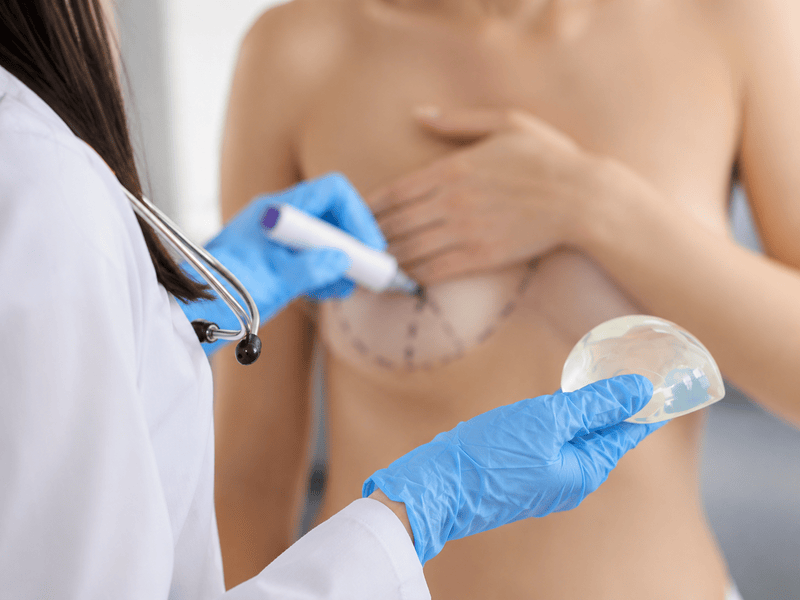
Breast augmentation is a cosmetic procedure designed to enhance breast size, shape, and symmetry. Using advanced implant techniques, this surgery helps create balanced, natural-looking results that complement your body and boost confidence.
Procedure Time
Recovery
Anaesthesia
2000+

Understanding the Procedure
What Is
Breast Augmentation?
Breast augmentation is a cosmetic surgical procedure that enhances the size, shape, and overall appearance of the breasts using implants or fat transfer.
Many individuals choose this procedure to improve body proportions, restore lost volume after weight changes or pregnancy, or correct natural asymmetry. The goal is to create fuller, balanced, and natural-looking results tailored to your body.
This procedure primarily addresses:
- Small or underdeveloped breasts
- Loss of volume after pregnancy or weight loss
- Breast asymmetry
- Desire for fuller, more defined contours
Modern techniques allow for a high level of customization—implant type, size, and placement are all carefully selected to achieve results that look and feel natural.
Who Is This Procedure For?
Are You a Good Fit?
Am I a Good
Candidate?
- You are in good overall health with no serious medical conditions
- You want to increase breast size or improve shape
- You have lost volume due to weight loss or pregnancy
- You have noticeable breast asymmetry
- You are a non-smoker or willing to stop before surgery
- You have realistic expectations about the outcome
- You want long-lasting results, not temporary solutions
- You can take time off for proper recovery
Not Sure If You Qualify?
- One-on-one consultation with an expert
- Personalized treatment planning
- No obligation to proceed
Your Journey
What to Expect
Before Surgery
Preparation
Receive detailed instructions including medical clearance, implant selection confirmation, and pre-surgery guidelines to ensure a safe procedure.
Surgery Day
Performed under general anesthesia, the procedure typically takes 1–2 hours. Implants are carefully placed to enhance shape and volume while maintaining natural proportions.
Healing
Mild swelling and discomfort improve within 1–2 weeks. Most patients return to light activities within a few days, with gradual improvement over time.
The Outcome
As healing progresses, your breasts settle into a natural shape and feel. Final results become fully visible over the following months.
WHY CONSIDER BREAST AUGMENTATION
The Benefits of
Breast Augmentation Surgery
Enhanced Size & Shape
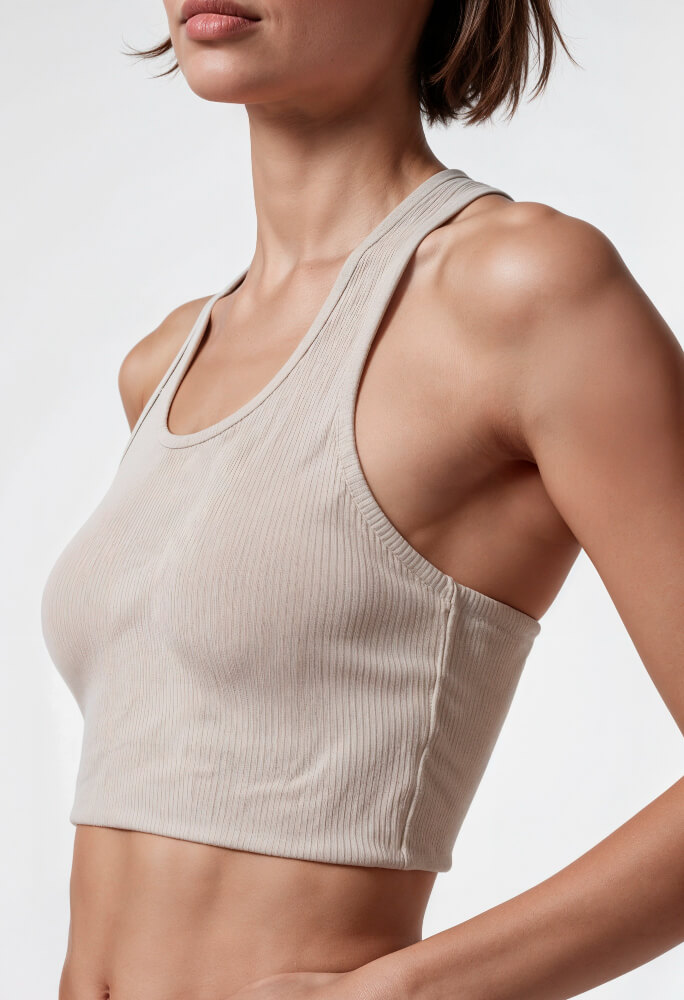
Increases breast volume and improves overall shape for a fuller, more proportionate appearance.
Improved Body Proportions
Creates better balance between the breasts and the rest of your body for a more harmonious silhouette.
Restored Volume
Replenishes lost fullness due to aging, weight loss, or pregnancy.
Boost in Confidence
Many patients feel more confident in clothing, swimwear, and everyday life.
Customizable Results
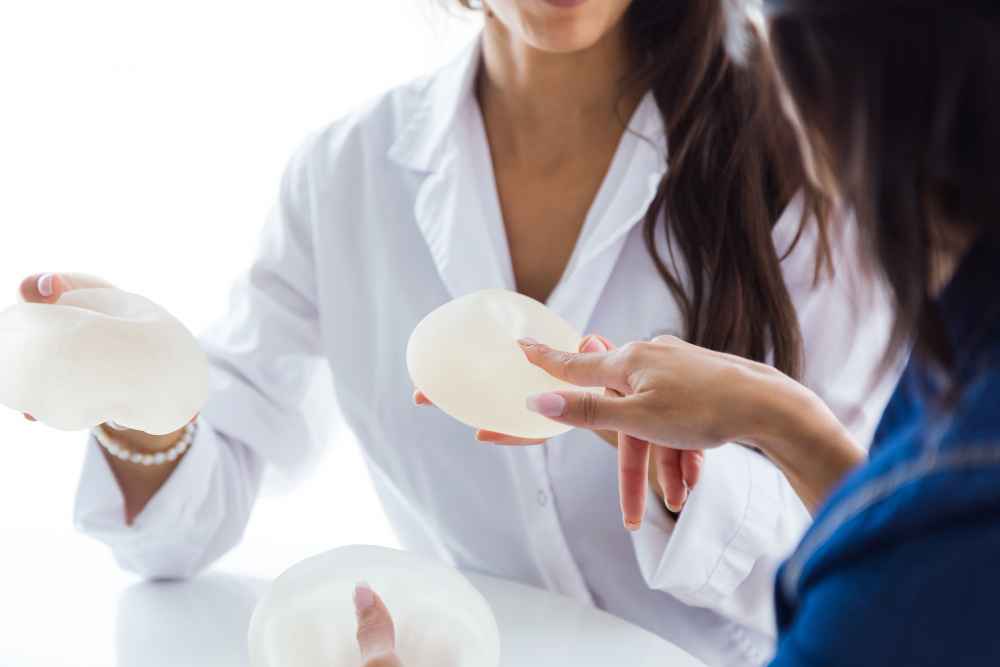
Implant type, size, and placement are tailored to your preferences and body structure.
Long-Lasting Results
Provides durable results that maintain shape and volume for many years.
Transparency First
Risks &
Considerations
Swelling & Discomfort
Common in the first 1–2 weeks. Most symptoms improve gradually with proper care.
Infection
Rare but possible. Prevented with sterile techniques and treated effectively if detected early.
Scarring
Incisions are carefully placed in discreet areas (under the breast, around the areola, or in the armpit), resulting in minimal visible scarring.
Anaesthesia Risks
General anesthesia carries standard risks, which are carefully monitored by the medical team.
Implant-Related Risks
Includes rupture, leakage, or capsular contracture (scar tissue tightening). These risks are discussed in detail during consultation.
Changes in Sensation
Temporary or, in rare cases, permanent changes in nipple or breast sensation may occur.
Investment & Financing
Cost &
Financing Options
Typical Range
Get a Personalised Quote
- Surgeon fee
- Implant cost
- Anaesthesiology fee
- Accredited surgical facility fee
- All pre- and post-operative appointments
- Medications, surgical bra, and dressings
- Follow-up support during recovery
Common Questions
Breast Augmentation
FAQs
How long does breast augmentation recovery take?
Will the results look natural?
Where are the scars located?
When will I see final results?
How long do implants last?
Is breast augmentation painful?
Can I breastfeed after surgery?
How do I choose the right implant size?
You May Also Consider
Related Procedures
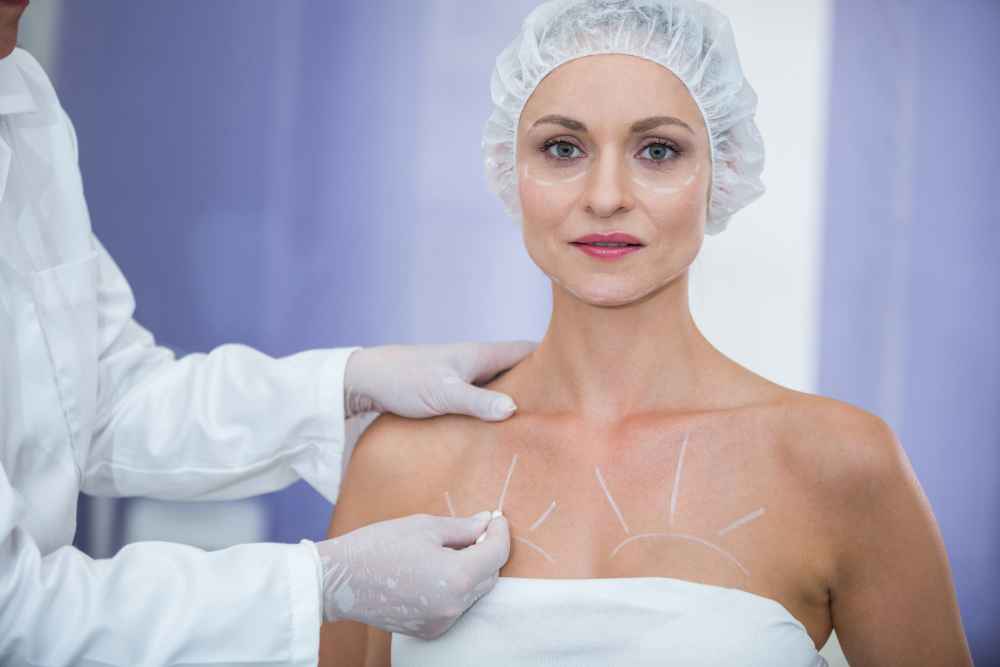
Breast Surgery
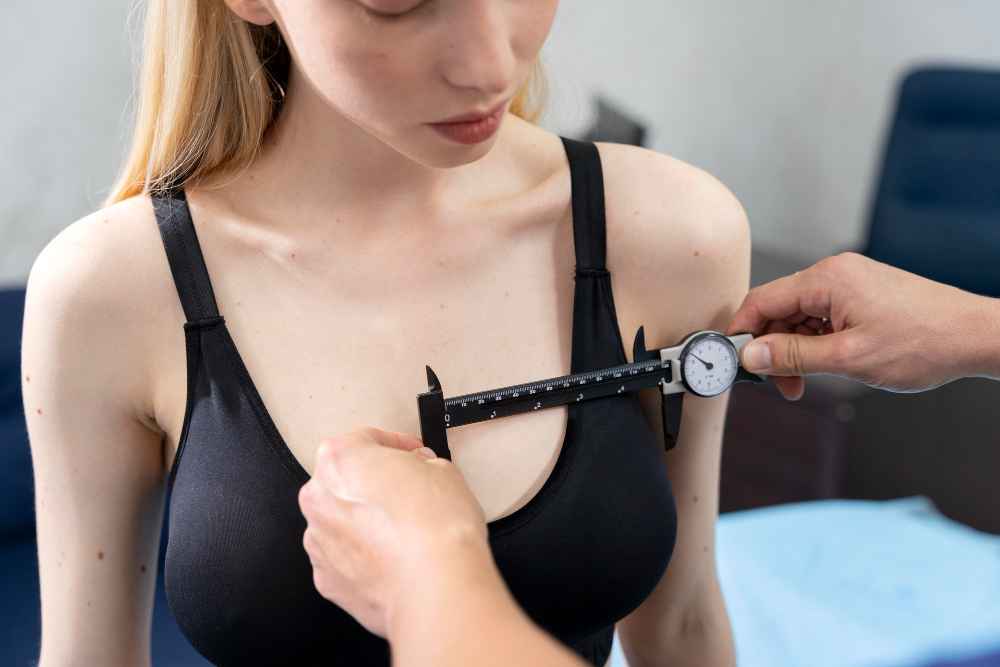
Breast Surgery