Facial Surgery · Rhinoplasty
Rhinoplasty
Nose Reshaping
Achieve facial harmony and natural proportion through precise nasal reshaping — results that look and feel authentically yours, not operated on.
Procedure Time
Recovery
Anaesthesia
500+
Understanding the Procedure
What Is
Rhinoplasty?
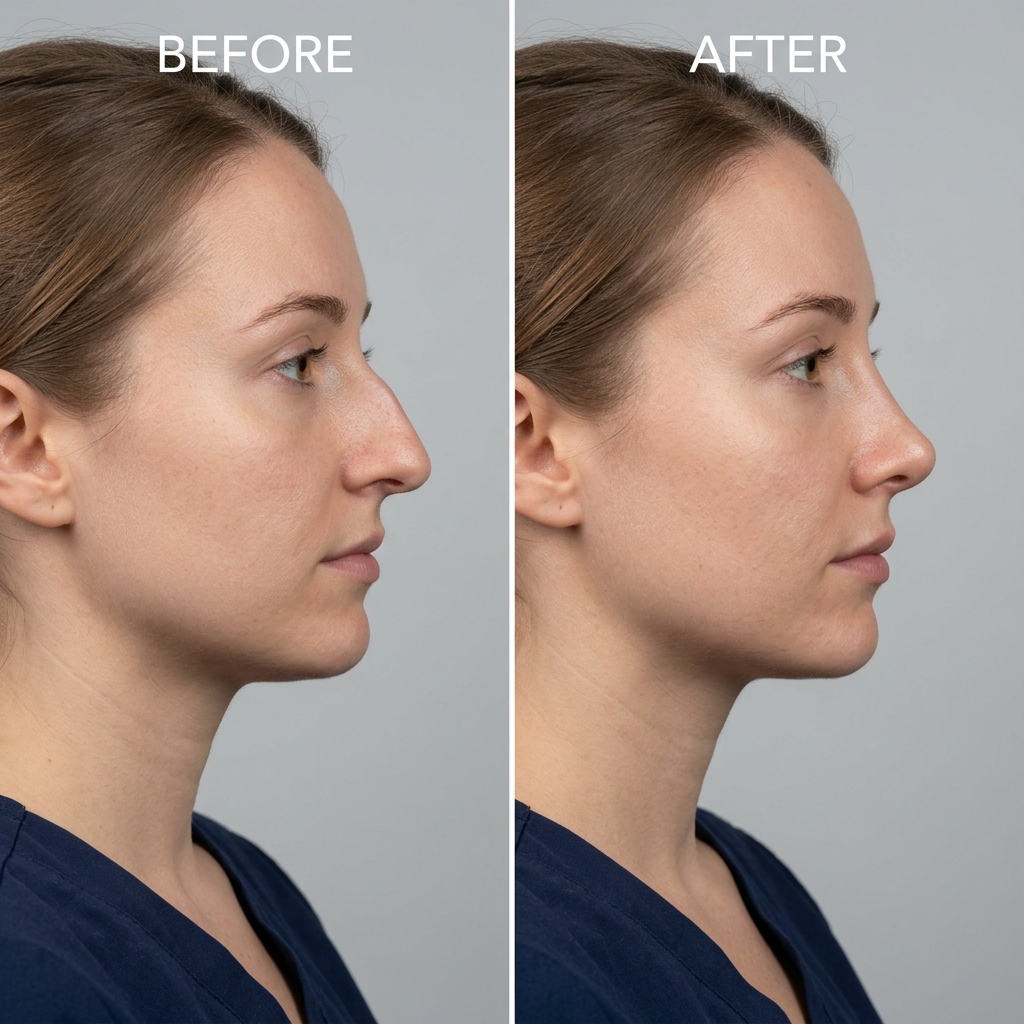
Rhinoplasty — commonly called a nose job — is a surgical procedure that reshapes the nose to improve its appearance, restore facial balance, or correct breathing difficulties. It is one of the most technically demanding procedures in plastic surgery, requiring both artistic vision and surgical precision.
Dr. Naveen Ahuja approaches every rhinoplasty as an exercise in proportion. The goal is never to change how you look — it is to refine what is already there so that the nose no longer draws attention, and the face reads as harmonious as a whole.
Both cosmetic and functional concerns can be addressed in a single procedure. Whether you are correcting a dorsal hump, refining a tip, improving symmetry after an injury, or resolving a deviated septum, Aris offers a fully personalised surgical plan.
Who Is This Procedure For?
Are You a Good Fit?
Am I a Good
Candidate?
- You are in good overall health with no uncontrolled medical conditions
- Your facial growth is complete (age 16+ for women, 17+ for men)
- You are a non-smoker, or are committed to stopping 4–6 weeks before surgery
- You have a specific, realistic aesthetic concern you want to address
- You are pursuing this for yourself — not for someone else's expectations
- You have no active skin infections or untreated nasal conditions
- You can take adequate time off for recovery without significant stress
Not Sure If You Qualify?
Many patients arrive with questions, not certainty. Dr. [Name] will personally review your anatomy, health history, and goals during your consultation — at no obligation. Most patients leave knowing exactly what is possible for them.
- One-on-one consultation with an expert
- 3D imaging available to preview outcomes
- No pressure, no commitment required
Your Journey
What to Expect
A clear, step-by-step overview of your rhinoplasty journey — from first conversation to final result.
Before Surgery
Preparation
Surgery Day
Healing
Splint removed at 7–10 days. Most swelling resolves in 3–4 weeks. Light activity resumes at 2 weeks. Final results visible from 6–12 months.
The Outcome
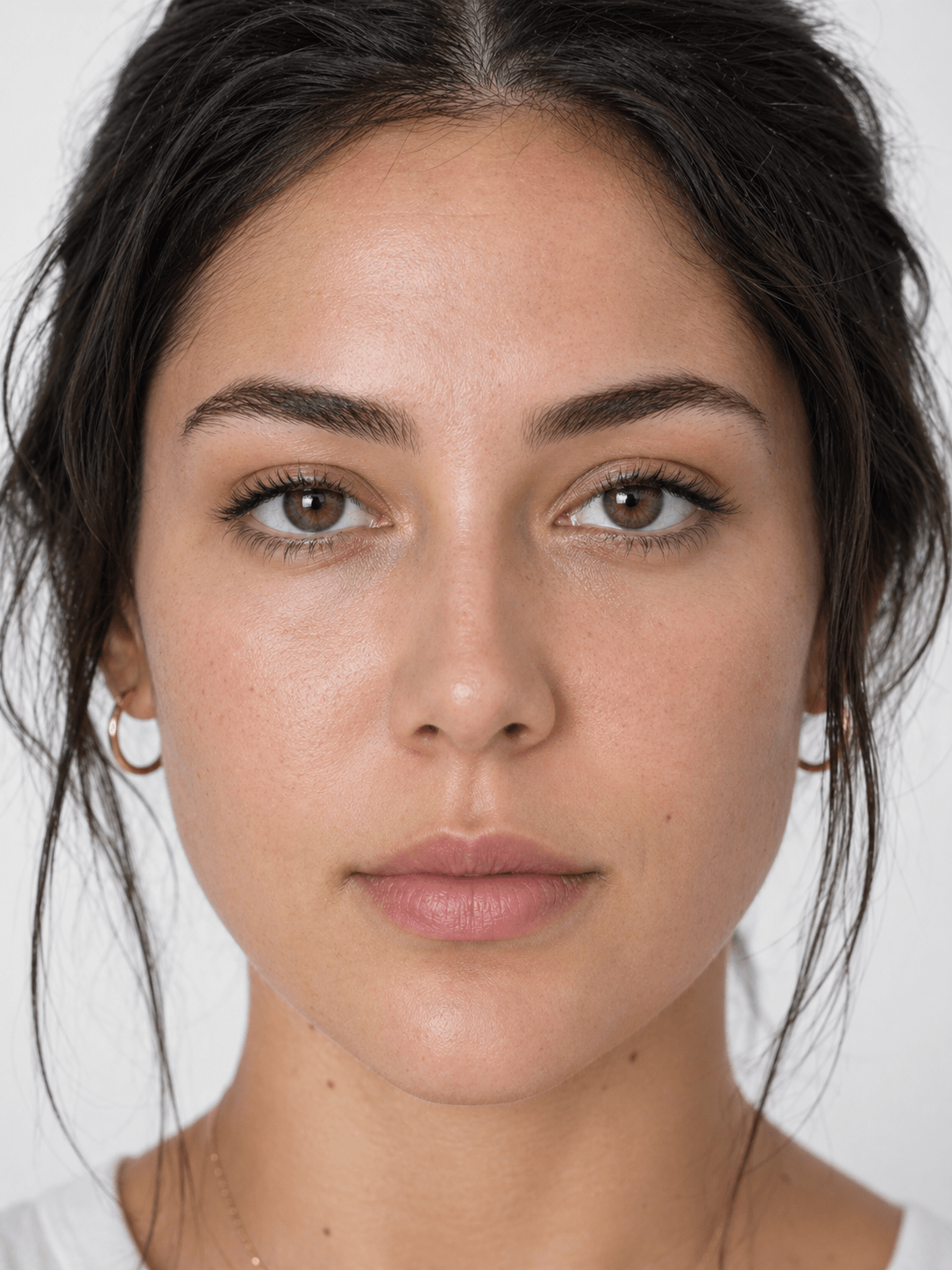

Why Consider Rhinoplasty
The Benefits of
Rhinoplasty
Enhanced Facial Harmony
A proportionally refined nose naturally elevates the entire face — bringing the eyes, lips, and features into visual balance without appearing altered.
Improved Self-Confidence
Patients consistently report greater confidence in photographs, social situations, and professional settings following rhinoplasty — results that extend far beyond aesthetics.
Corrected Breathing
Septoplasty and internal structural corrections performed alongside cosmetic rhinoplasty can meaningfully resolve obstructed breathing, improving sleep and exercise capacity.
Permanent Results
Unlike non-surgical alternatives, rhinoplasty produces lasting structural change. The results are permanent, and continue to look natural as the face matures over decades.
Post-Injury Repair
Rhinoplasty can restore nasal form and function following trauma, sports injuries, or accidents — addressing both the cosmetic damage and any underlying structural issues.
Single Recovery Period
When aesthetic and functional corrections are needed, both are addressed in one procedure and one recovery — avoiding the disruption and cost of two separate surgeries.
Transparency First
Risks &
Considerations
At Aris, we believe informed patients make the best decisions. All surgical procedures carry inherent risks, and rhinoplasty is no exception. Dr. [Name] will discuss each of these in detail at your consultation — and will only recommend surgery when the benefits clearly outweigh the risks for your specific case.
Swelling & Bruising
Expected in the first 1–3 weeks. Most visible swelling resolves within a month; residual subtle swelling may persist up to a year.
Infection
Uncommon but possible. Managed with antibiotics. Strict sterile technique is used throughout the procedure to minimise this risk.
Scarring
Open rhinoplasty involves a small incision under the nose (columellar incision). This heals to a fine, nearly invisible scar within months.
Anaesthesia Risks
General anaesthesia carries standard risks discussed in advance with the anaesthesiology team. Patients are screened carefully prior to surgery.
Asymmetry or Irregularity
Some degree of natural asymmetry is normal. In rare cases, minor revisions may be desired after full healing. Dr. Naveen Ahuja discusses revision policy in the consultation.
Breathing Changes
Most patients experience improved breathing post-surgery. In rare cases, structural changes may require additional attention — discussed openly in advance.
Investment & Financing
Cost &
Financing Options
Typical Range
Get a Personalised Quote
- Surgeon fee
- Anaesthesiology fee
- Accredited surgical facility fee
- All pre- and post-operative appointments
- Splint, dressings, and prescribed medications
- 24/7 access to Dr. Naveen Ahuja during recovery
Common Questions
Rhinoplasty
FAQs
How long does rhinoplasty recovery take?
Will rhinoplasty affect my breathing?
In most cases, rhinoplasty can be performed simultaneously with a septoplasty to correct a deviated septum and improve airflow. Many patients actually experience better breathing after surgery than before. Dr. [Name] evaluates nasal function at your consultation to determine whether a combined procedure is appropriate for you.
What is the difference between open and closed rhinoplasty?
When will I see my final results?
Can I combine rhinoplasty with other procedures?
Is rhinoplasty covered by insurance?
What happens if I'm unhappy with my results?
How do I prepare for my rhinoplasty consultation?
You May Also Consider
Related Procedures
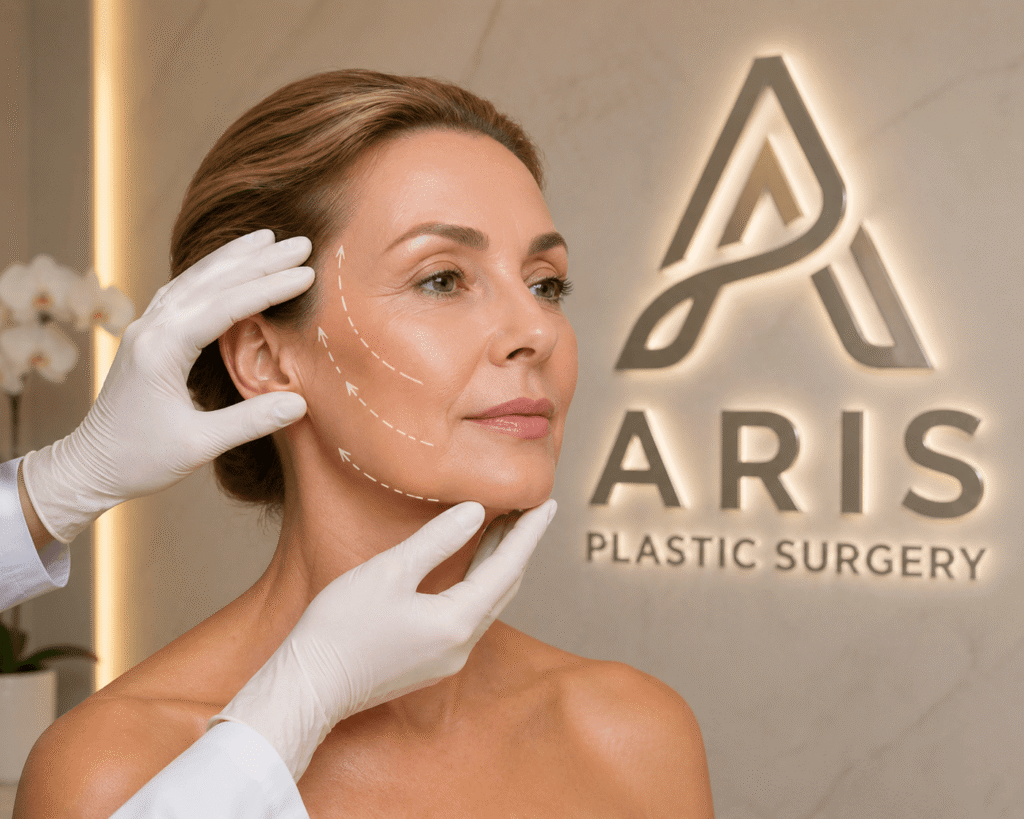
Facial Rejuvenation
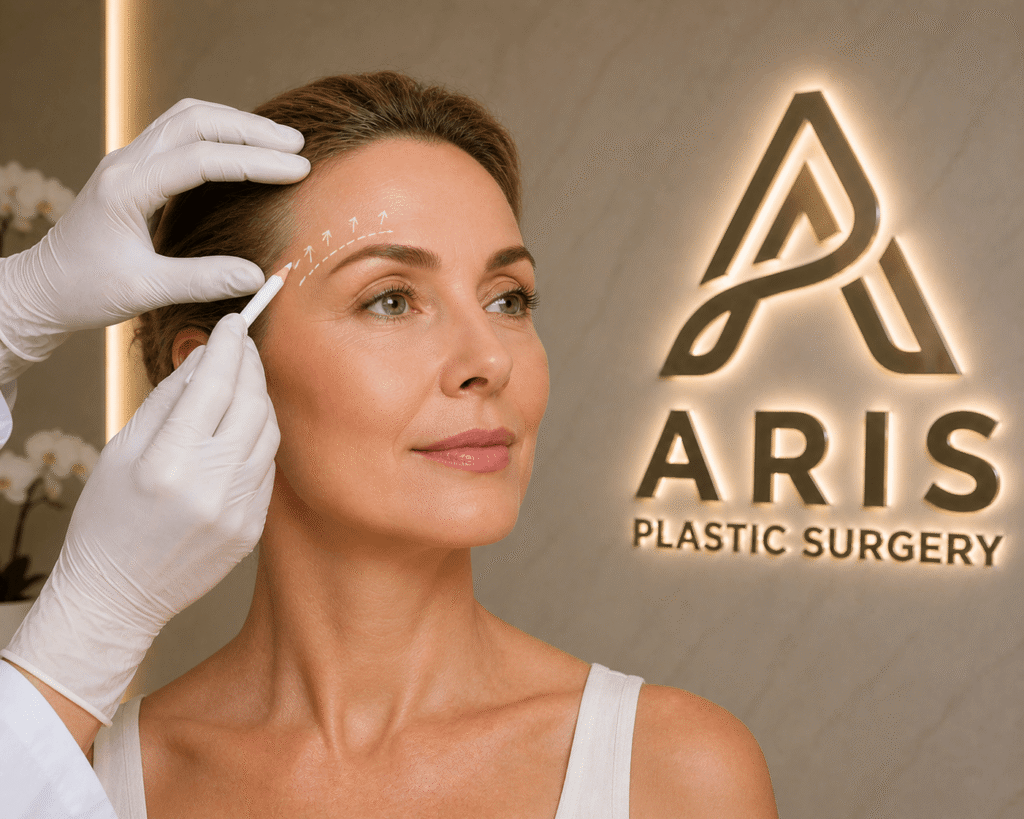
Facial Rejuvenation