CRANIOSYNOSTOSIS SURGERY
RESTORE & PROTECT
HEALTHIER SKULL GROWTH & FACIAL BALANCE
Craniosynostosis surgery is a reconstructive procedure designed to correct the early fusion of one or more skull sutures in infants and children. The procedure helps restore normal skull growth, improve head shape, relieve pressure on the developing brain, and support healthy neurological and facial development.
Procedure Time
Recovery
Anaesthesia
900+
Understanding the Procedure
What Is
Craniosynostosis Surgery?
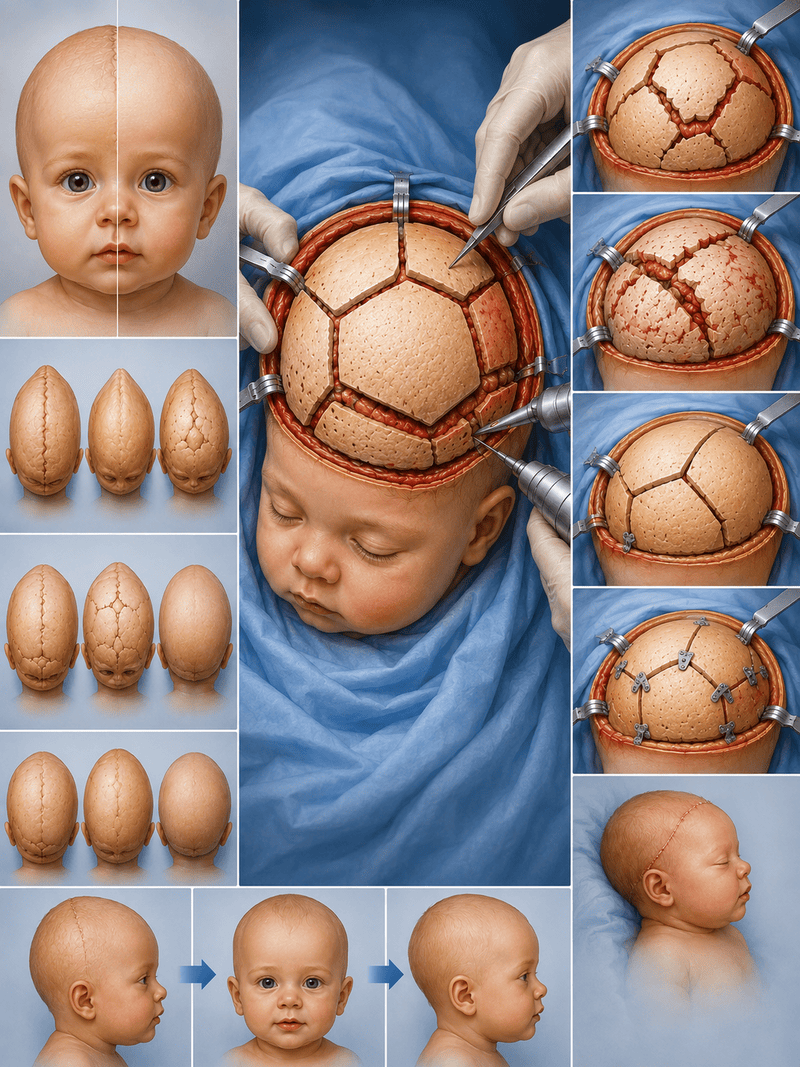
Craniosynostosis surgery is a reconstructive procedure performed to correct premature fusion of the skull sutures in infants and young children. Normally, skull sutures remain flexible during early development to allow the brain and skull to grow properly. When one or more sutures close too early, abnormal head shape and restricted skull growth can occur.
The procedure reshapes the skull and reopens growth pathways to support healthy brain development, improve symmetry, and restore more natural skull contours.
Craniosynostosis surgery may involve minimally invasive techniques or open cranial vault remodeling depending on the child’s age, the severity of the condition, and the sutures involved.
Modern craniofacial surgical techniques focus on restoring skull shape, supporting healthy neurological development, and improving long-term facial balance and function.
Who Is This Procedure For?
Are You a Good Fit?
Am I a Good
Candidate?
- Diagnosed with craniosynostosis
- Abnormal head shape or skull asymmetry
- Evidence of premature skull suture fusion
- Need for improved skull growth and brain development
- Potential pressure-related neurological concerns
- Good overall health for surgery and recovery
- Family committed to follow-up care and monitoring
- Realistic expectations regarding reconstructive outcomes
Not Sure If You Qualify?
- One-on-one consultation with an expert
- Personalized craniofacial treatment planning
- No obligation to proceed
Your Journey
What to Expect
Before Surgery
Preparation
Surgery Day
Healing
The Outcome
WHY CONSIDER CRANIOSYNOSTOSIS SURGERY
The Benefits of
Craniosynostosis Surgery
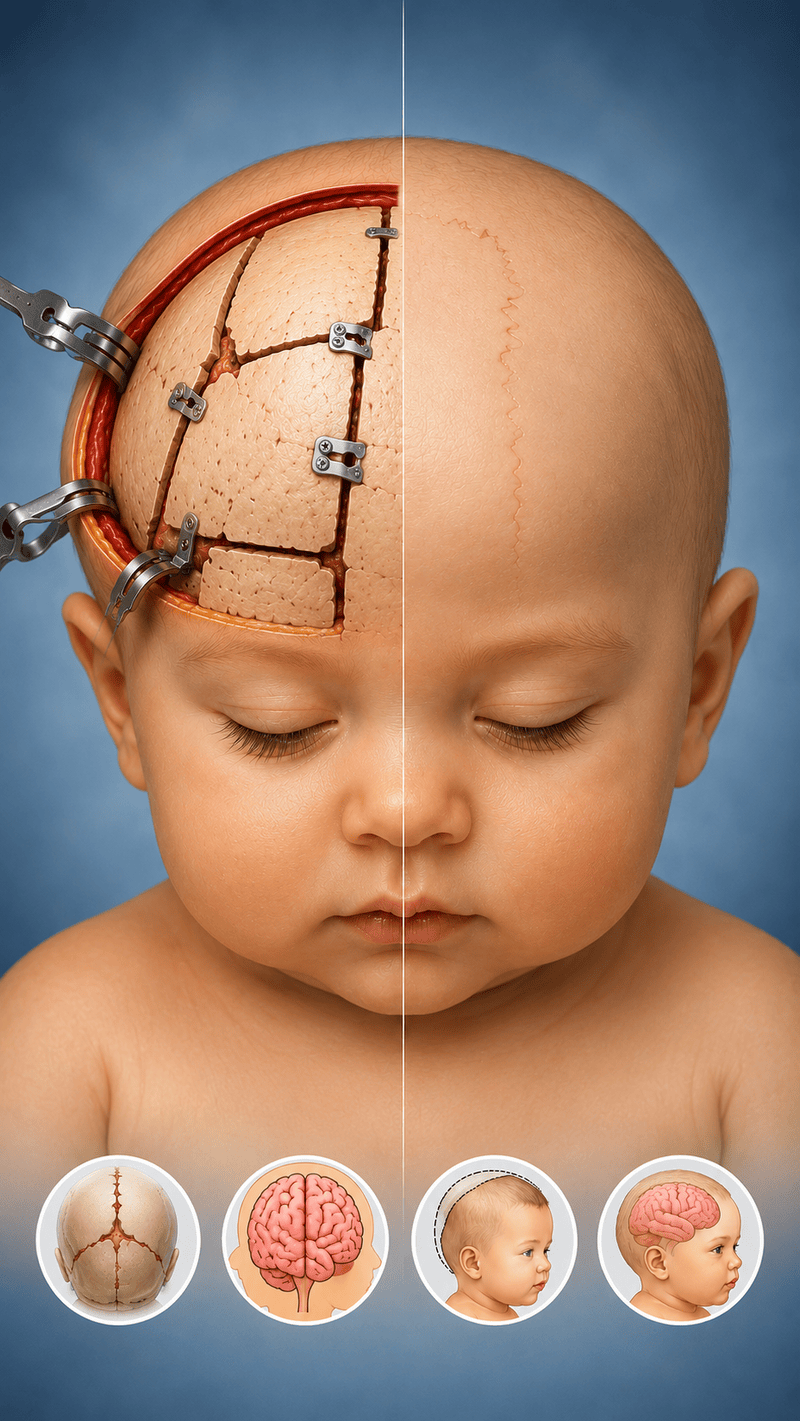
Supports Healthy Brain Growth
Restores skull flexibility and space needed for proper brain development.
Improved Skull Shape & Symmetry
Corrects abnormal skull contours and improves overall head shape balance.
Reduced Pressure on the Brain
Helps relieve pressure that may develop due to restricted skull growth.
Enhanced Facial Balance
Improves craniofacial symmetry and long-term facial development.
Modern Reconstructive Techniques
Advanced craniofacial surgical approaches focus on both functional and aesthetic outcomes.
Long-Term Developmental Support
Early correction may help support healthier neurological, developmental, and functional outcomes as the child grows.
Transparency First
Risks &
Considerations
Swelling & Bruising
Common during the first few weeks and gradually improves with healing and proper care.
Blood Loss During Surgery
Because cranial reconstruction is complex, blood transfusion support may occasionally be required during surgery.
Healing Variations
Healing differs from patient to patient, and long-term skull growth continues to be monitored after surgery.
Anaesthesia Risks
General anesthesia carries standard surgical risks, which are carefully monitored by the medical team.
Need for Additional Procedures
Some children may require future reconstructive procedures depending on skull growth and development.
Neurological Monitoring
Long-term developmental and neurological follow-up may be recommended as part of comprehensive care.
Investment & Financing
Cost &
Financing Options
Typical Range
Get a Personalised Quote
- Surgeon fee
- Hospital and anesthesia costs
- Imaging and diagnostic evaluations
- Pre- and post-operative care
- Recovery monitoring and follow-up visits
- Long-term craniofacial treatment planning support
Common Questions
Craniosynostosis Surgery
FAQs
What is craniosynostosis?
When is craniosynostosis surgery usually performed?
Will surgery improve head shape?
Can craniosynostosis affect brain development?
How long does recovery take?
Will there be visible scars?
Will my child need future surgeries?
How do I prepare for my consultation?
You May Also Consider
Related Procedures

Pediatric Surgery
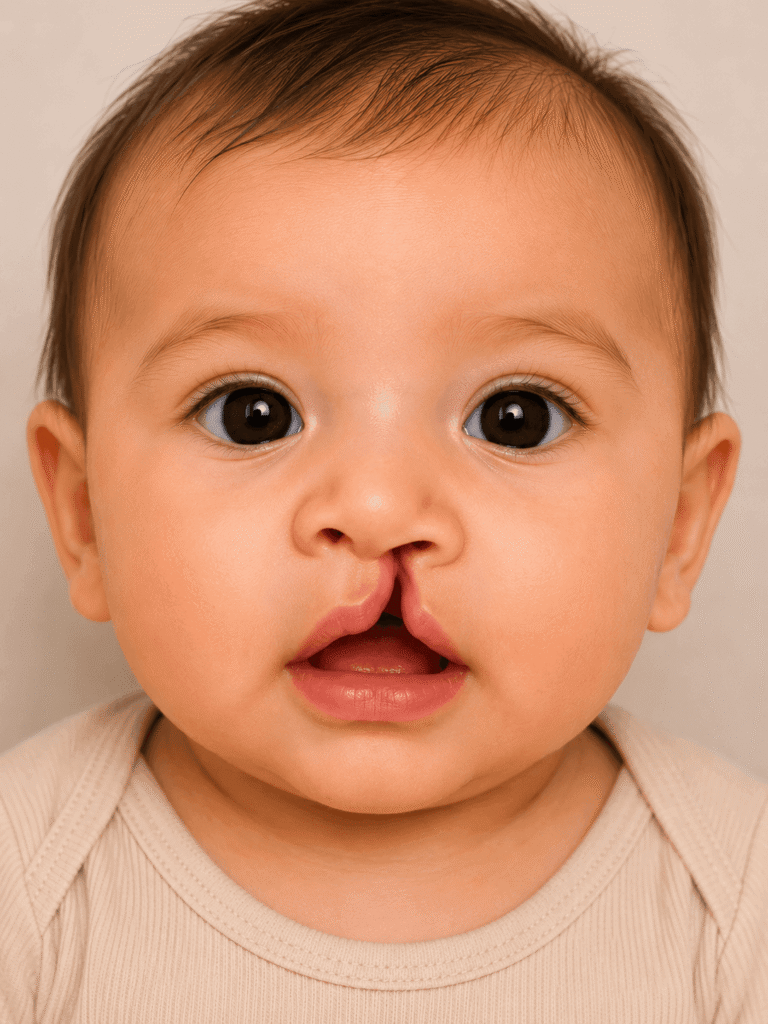
Pediatric Surgery