FACELIFT SURGERY · RHYTIDECTOMY
RESTORE
YOUTHFUL CONTOURS
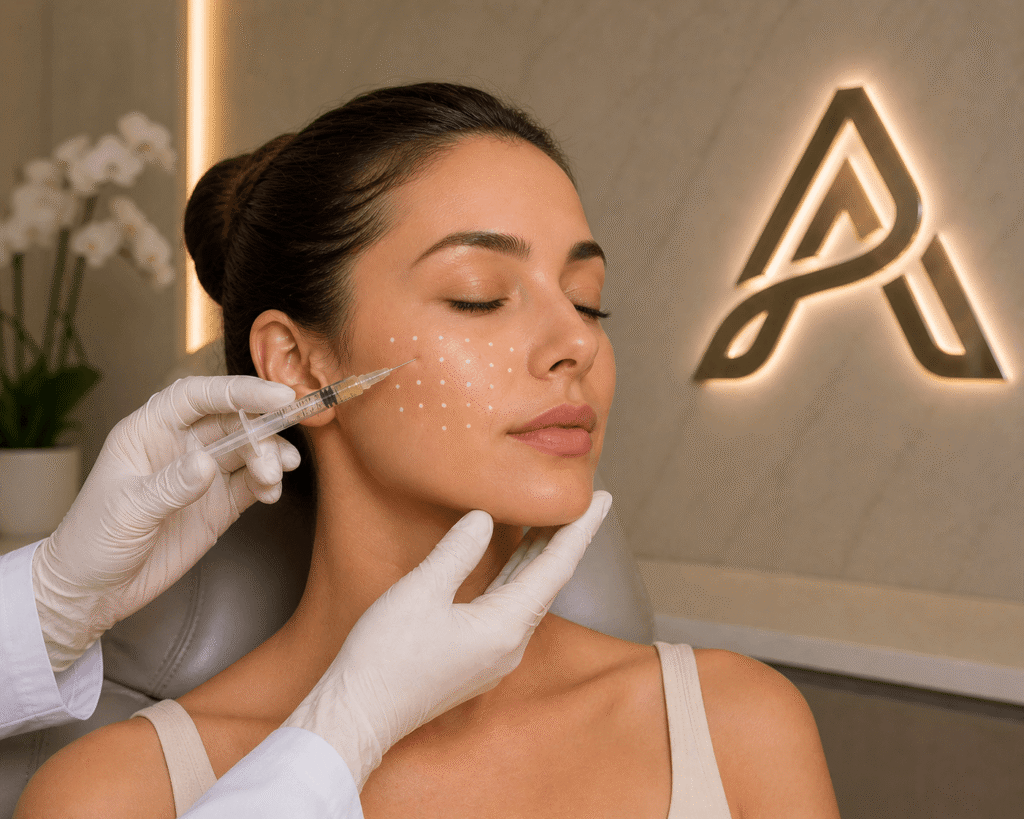
A facelift is a transformative cosmetic procedure designed to reduce visible signs of aging in the face and neck. By tightening sagging skin, smoothing deep folds, and restoring natural contours, facelift surgery helps you achieve a refreshed, youthful appearance—without looking overdone.
Procedure Time
Recovery
Anaesthesia
500+
Understanding the Procedure
What Is
Facelift?
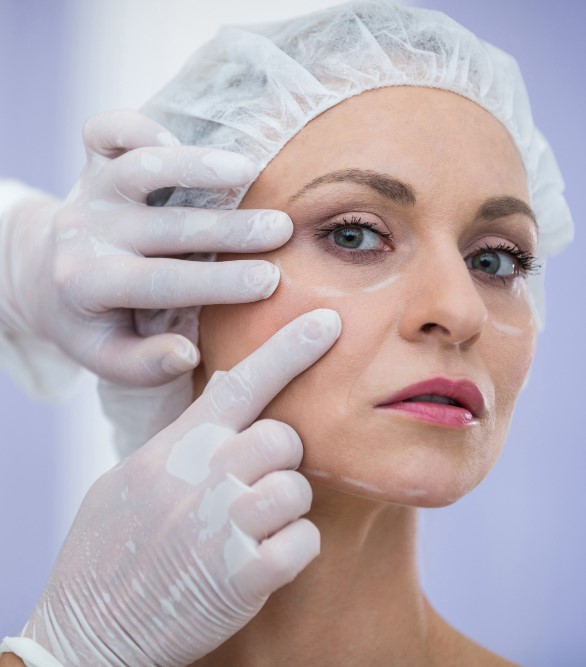
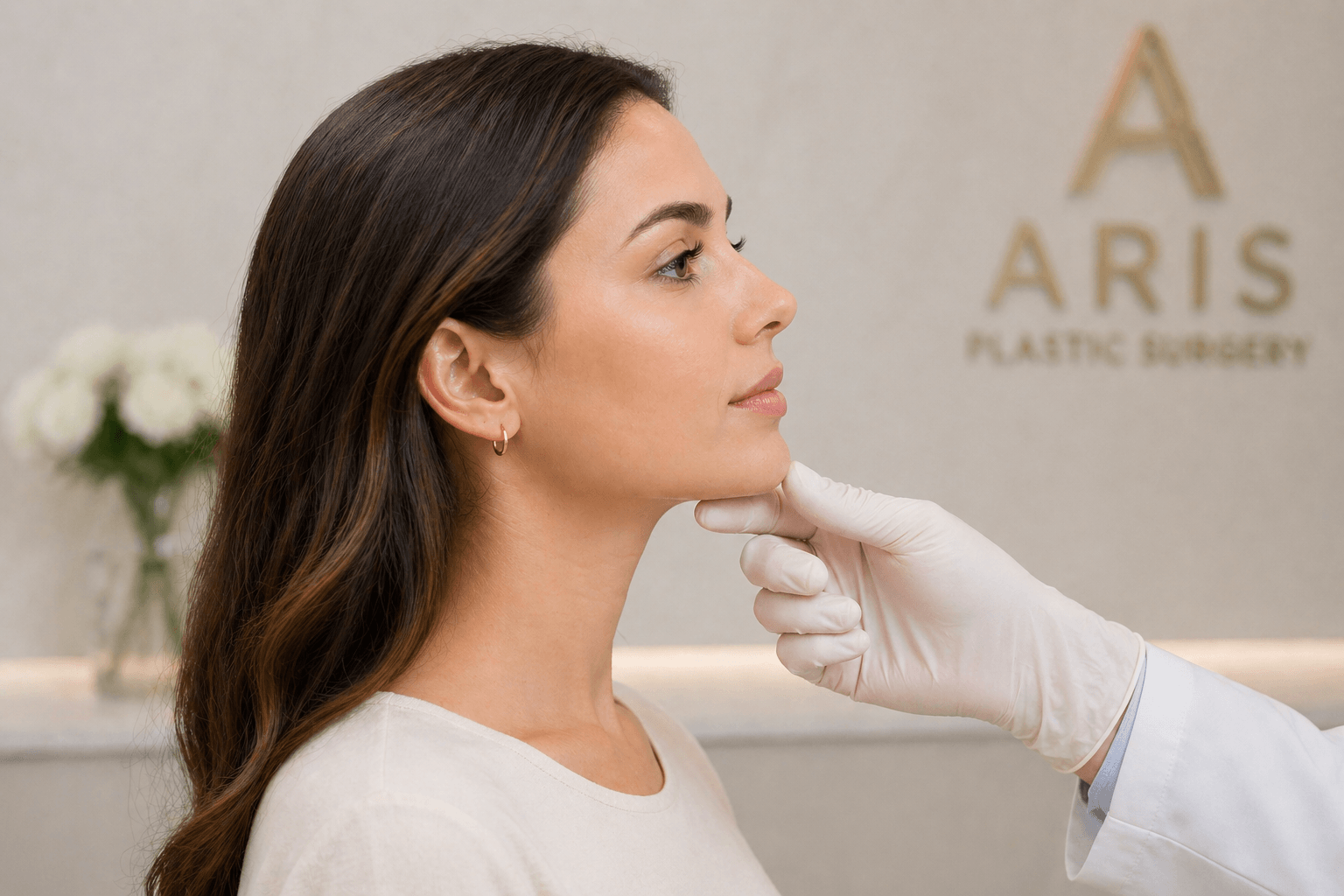
A facelift, medically known as rhytidectomy, is a surgical procedure that lifts and tightens facial tissues to reduce sagging skin, deep wrinkles, and loss of muscle tone caused by aging.
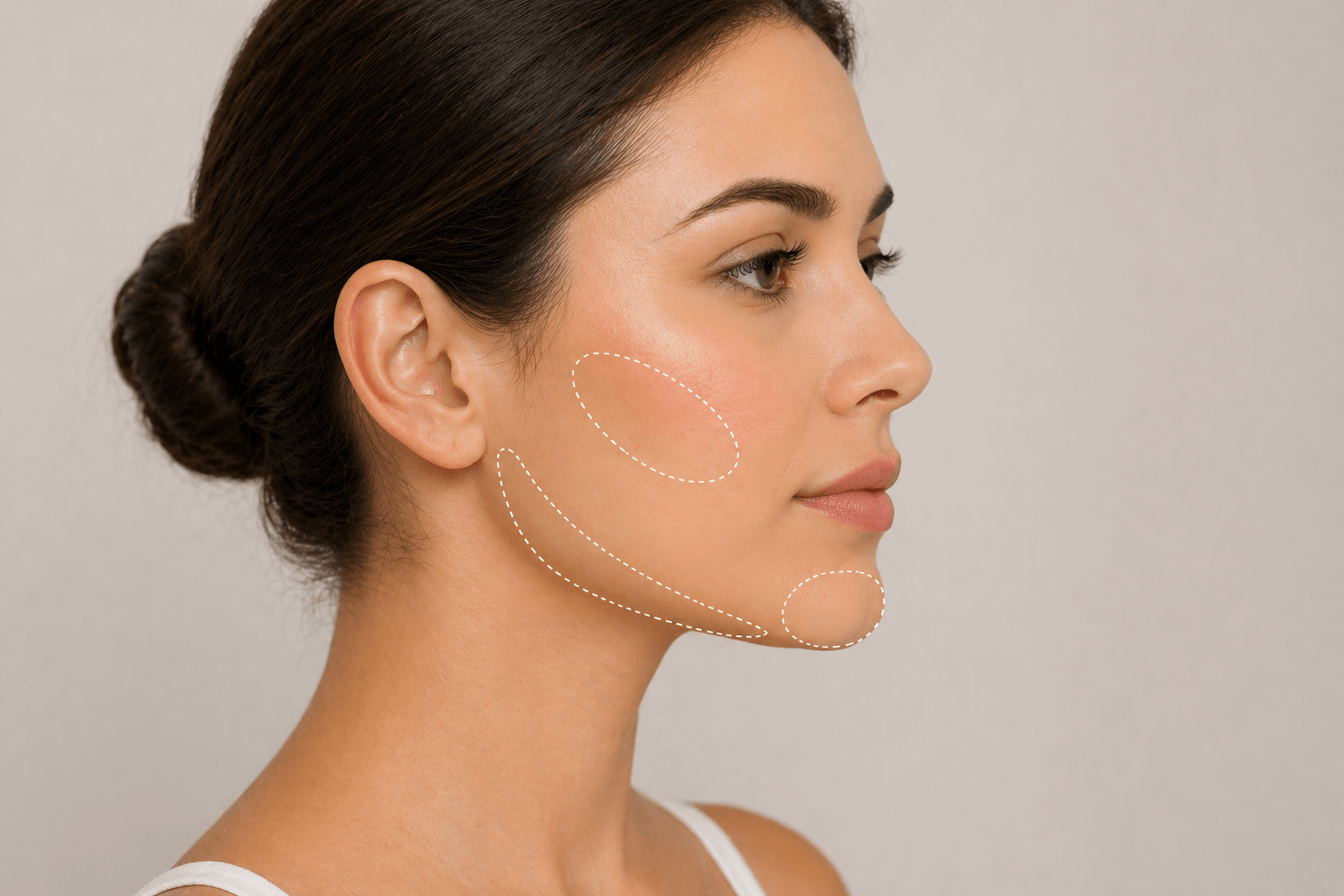
This procedure primarily targets:
- Sagging cheeks
- Deep lines around the nose and mouth (nasolabial folds)
- Jowls along the jawline
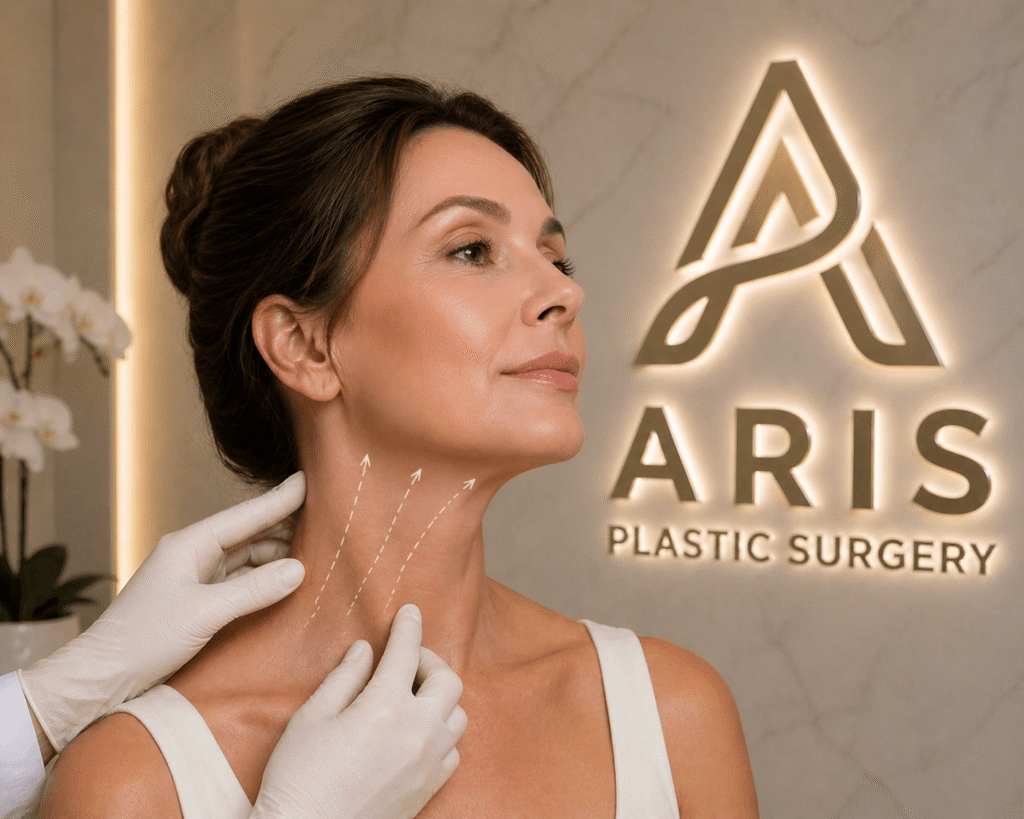
- Loose skin and fat in the neck
Modern facelift techniques focus on repositioning deeper facial structures—not just tightening the skin—resulting in natural-looking, long-lasting outcomes.
Who Is This Procedure For?
Are You a Good Fit?
Am I a Good
Candidate?
- You are in good overall health with no serious medical conditions
- You have noticeable sagging skin or loss of facial definition
- You are a non-smoker or willing to stop before surgery
- You have realistic expectations about the outcome
- You want long-lasting results, not temporary fixes
- You are doing this for yourself—not external pressure
- You can take time off for proper recovery
Not Sure If You Qualify?
- One-on-one consultation with an expert
- Personalized treatment planning
- No obligation to proceed
Your Journey
What to Expect
Before Surgery
Preparation
Surgery Day
Performed under general anesthesia, the procedure typically takes 2–5 hours. Facial tissues are lifted and repositioned for natural-looking results. You return home the same day.
Healing
Initial swelling and bruising improve within 1–2 weeks. Most patients resume light activities after 2 weeks, with continued improvement over time.
The Outcome
As healing progresses, your face appears smoother, firmer, and more youthful. Final results become fully visible over several months.
WHY CONSIDER FACELIFT
The Benefits of
Facelift Surgery
Enhanced Facial Contours
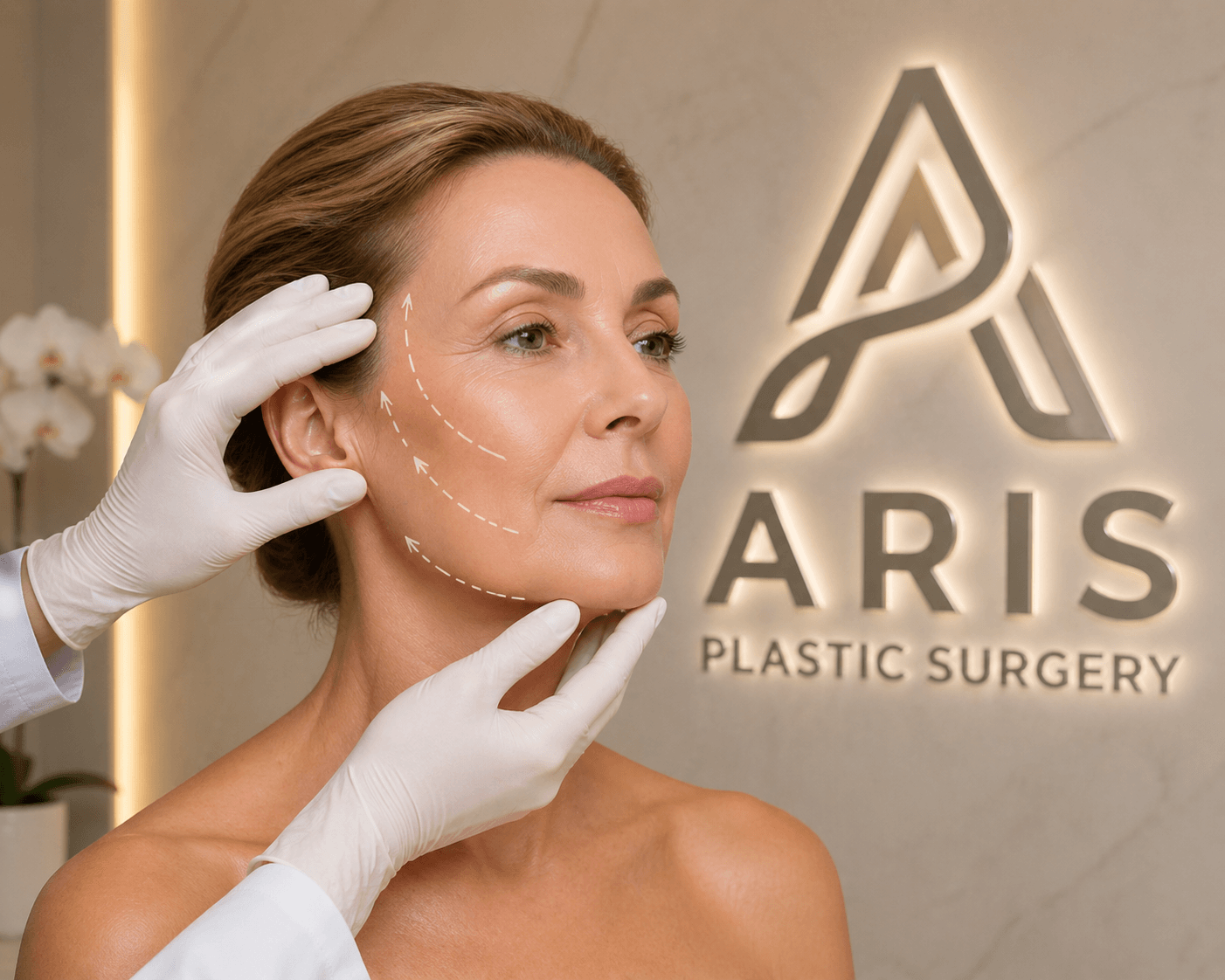
A facelift lifts and repositions underlying tissues to restore natural definition to the cheeks, jawline, and neck—creating a smoother, more youthful profile.
Improved Self-Confidence
Patients often feel more confident in social and professional settings, with results that help them look as youthful as they feel.
Reduction of Wrinkles & Sagging
Effectively reduces deep folds, loose skin, and jowls—addressing the most visible signs of aging.
Long-Lasting Results
Unlike non-surgical treatments, facelift results can last for many years, maintaining a naturally refreshed appearance over time.
Natural-Looking Outcome
Modern techniques focus on subtle enhancement, avoiding an overly tight or artificial look.
Single Comprehensive Procedure
Addresses multiple concerns—skin laxity, deep folds, and facial sagging—in one procedure, minimizing the need for repeated treatments.
Transparency First
Risks &
Considerations
Swelling & Bruising
Common in the first 1–2 weeks. Most swelling improves within a few weeks, while minor residual swelling may take longer to fully resolve.
Infection
Rare but possible. Prevented with sterile techniques and managed effectively if detected early.
Scarring
Incisions are carefully placed along the hairline and around the ears, resulting in minimal, well-hidden scars that fade over time.
Anaesthesia Risks
General anesthesia carries standard risks, which are discussed in advance and carefully monitored by the medical team.
Asymmetry or Irregularity
Minor differences in healing can occur. In rare cases, small adjustments may be needed after full recovery.
Temporary Numbness or Tightness
Some patients experience temporary numbness or a feeling of tightness, which gradually improves as healing progresses.
Investment & Financing
Cost &
Financing Options
Typical Range
Get a Personalised Quote
- Surgeon fee
- Anaesthesiology fee
- Accredited surgical facility fee
- All pre- and post-operative appointments
- Splint, dressings, and prescribed medications
- 24/7 access to Dr. Naveen Ahuja during recovery
Common Questions
Face Lift
FAQs
How long does facelift recovery take?
Will my face look unnatural or “tight”?
Where are the scars located?
When will I see final results?
Can I combine a facelift with other procedures?
Is facelift surgery painful?
How long do facelift results last?
How do I prepare for my consultation?
You May Also Consider
Related Procedures
Commonly paired with Facelift to achieve comprehensive facial harmony.
Facial Rejuvenation
Facial Rejuvenation