
BREAST RECONSTRUCTION SURGERY
RESTORE & REBUILD
CONFIDENCE, SHAPE & BALANCE
Breast reconstruction is a personalized surgical procedure designed to restore the shape, appearance, and symmetry of the breasts following mastectomy, lumpectomy, trauma, or congenital conditions. The goal is to help patients feel whole, confident, and comfortable in their bodies again.
Procedure Time
Recovery
Anaesthesia
1000+
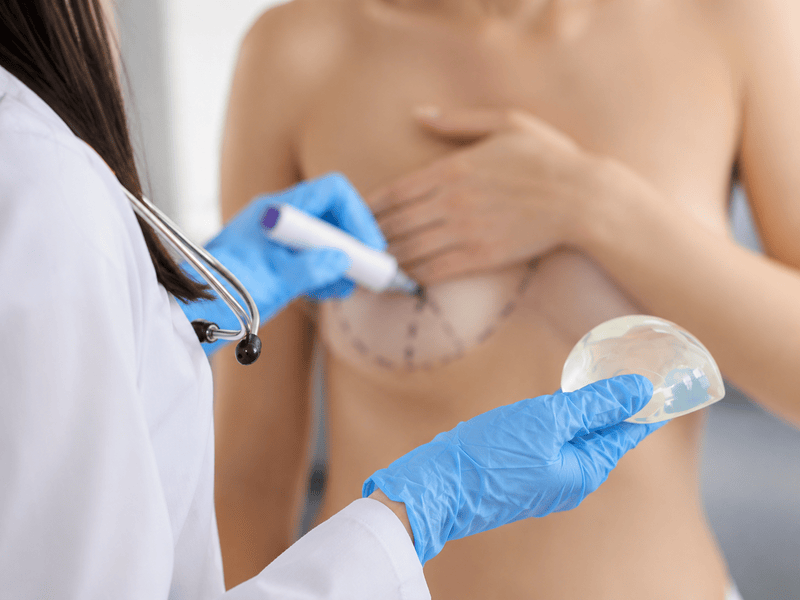
Understanding the Procedure
What Is
Breast Reconstruction?
Breast reconstruction is a surgical procedure designed to rebuild the shape and appearance of one or both breasts following mastectomy, lumpectomy, trauma, or congenital differences. The procedure can restore breast contour, symmetry, and confidence using implants, tissue expanders, or the patient’s own tissue.
Reconstruction may be performed immediately after breast surgery or delayed until a later stage, depending on individual treatment plans and personal preferences.
Modern breast reconstruction techniques focus on natural-looking results, personalized planning, and restoring balance while supporting each patient’s unique recovery journey.
Who Is This Procedure For?
Are You a Good Fit?
Am I a Good
Candidate?
- You are in good overall health with no serious medical conditions
- You have experienced breast tissue loss or asymmetry
- You have completed or are planning cancer-related treatmen
- You want to restore breast shape and body balance
- You have realistic expectations about the reconstructive process
- You are emotionally prepared for surgery and recovery
- You can take time off for proper recovery
Not Sure If You Qualify?
- One-on-one consultation with an expert
- Personalized treatment planning
- No obligation to proceed
Your Journey
What to Expect
Before Surgery
Meet with our specialist to discuss your medical history, treatment plan, and reconstructive goals. Implant-based and tissue-based reconstruction options are reviewed to create a personalized plan.
Preparation
Receive detailed instructions including medical clearance, imaging, medication guidance, and preparation steps to ensure a safe and smooth procedure.
Surgery Day
Performed under general anesthesia, reconstruction may involve implants, tissue expanders, or your own tissue to restore breast shape and symmetry.
Healing
Recovery time varies depending on the technique used. Most patients gradually return to light activities within a few weeks while healing continues over time.
The Outcome
As healing progresses, the reconstructed breasts settle into a more natural shape and contour, helping restore confidence and balance.

WHY CONSIDER A BREAST RECONSTRUCTION
The Benefits of
Breast Reconstruction
Restored Breast Shape & Contour
Rebuilds the appearance of the breast to create a more natural and balanced silhouette.
Improved Symmetry
Helps restore proportion and alignment between the breasts for a more harmonious appearance.
Personalized Reconstruction Options
Procedures are customized using implants, tissue expanders, or natural tissue based on individual needs and goals.
Support for Emotional Recovery
Many patients experience renewed confidence and emotional healing after reconstruction.
Natural-Looking Results
Modern techniques focus on creating soft, realistic contours that complement your body.
Long-Lasting Improvement
Results are designed to provide durable restoration and long-term balance.
Transparency First
Risks &
Considerations
Swelling & Discomfort
Common during the first few weeks. Symptoms gradually improve with proper care and healing.
Infection
Rare but possible. Prevented with sterile techniques and managed effectively if detected early.
Scarring
Scars are expected but are carefully planned and typically fade over time as healing progresses.
Implant or Tissue Healing Complications
In some cases, implant-related issues or delayed healing may occur and require additional treatment or monitoring.
Anaesthesia Risks
General anesthesia carries standard risks, which are carefully monitored by the medical team.
Asymmetry or Revision Procedures
Minor differences in shape or healing may occur, and some patients may require revision procedures for optimal symmetry.
Investment & Financing
Cost &
Financing Options
Typical Range
Get a Personalised Quote
- Surgeon fee
- Anaesthesiology fee
- Accredited surgical facility fee
- All pre- and post-operative appointments
- Medications, surgical bra, and dressings
- Follow-up support during recovery
Common Questions
Breast Reconstruction
FAQs
When can breast reconstruction be performed?
Will the reconstructed breast look natural?
Will there be visible scars?
How long does recovery take?
Can both breasts be reconstructed for symmetry?
Is breast reconstruction painful?
Will insurance cover breast reconstruction?
How do I prepare for my consultation?
You May Also Consider
Related Procedures

Breast Surgery
Breast Surgery