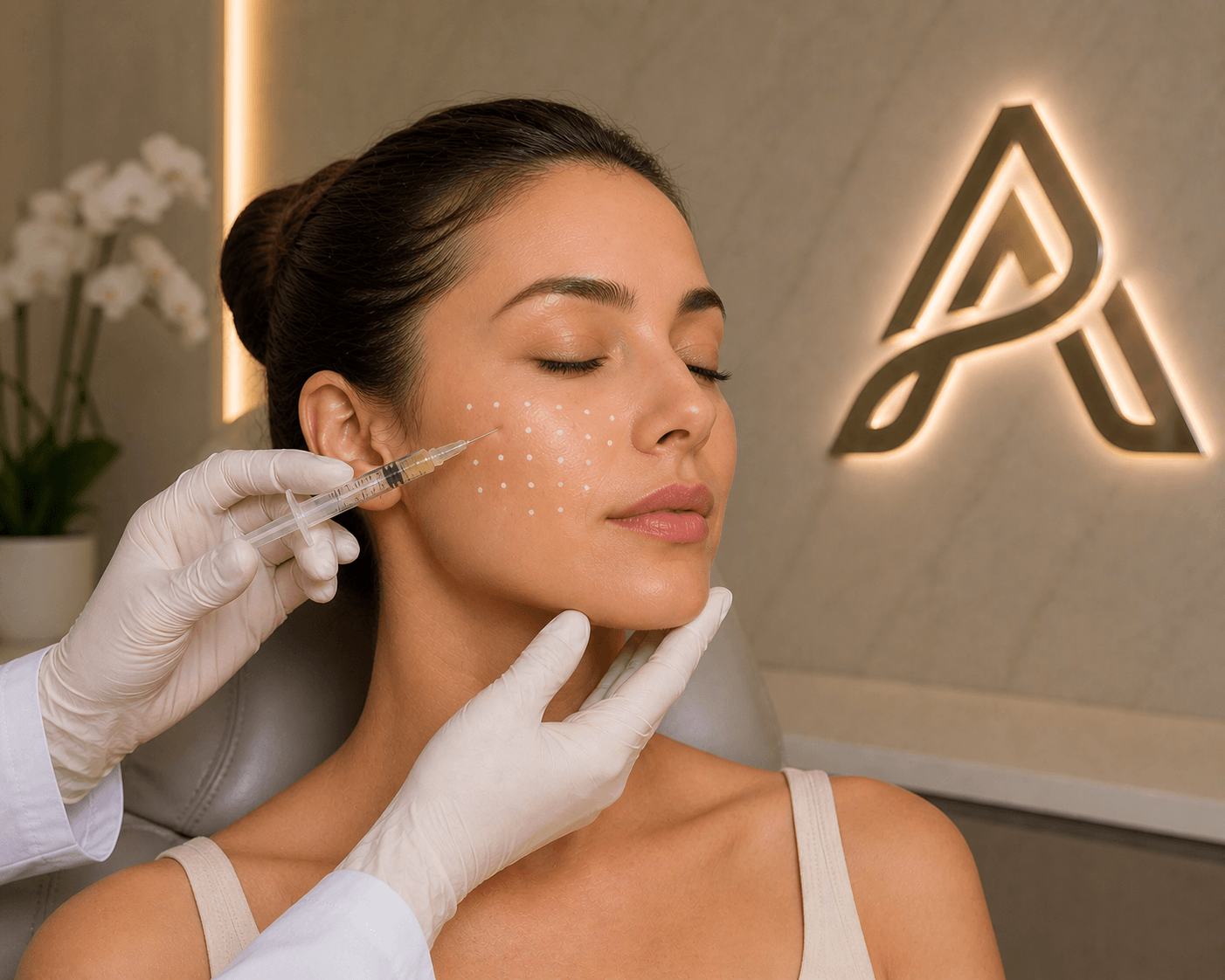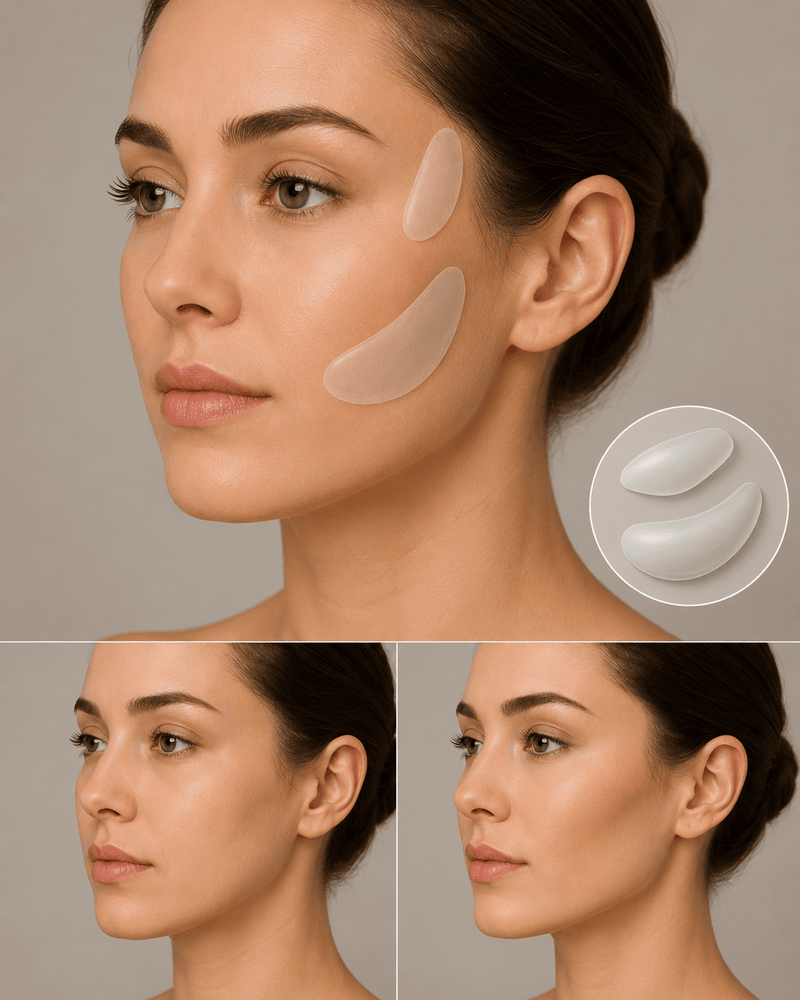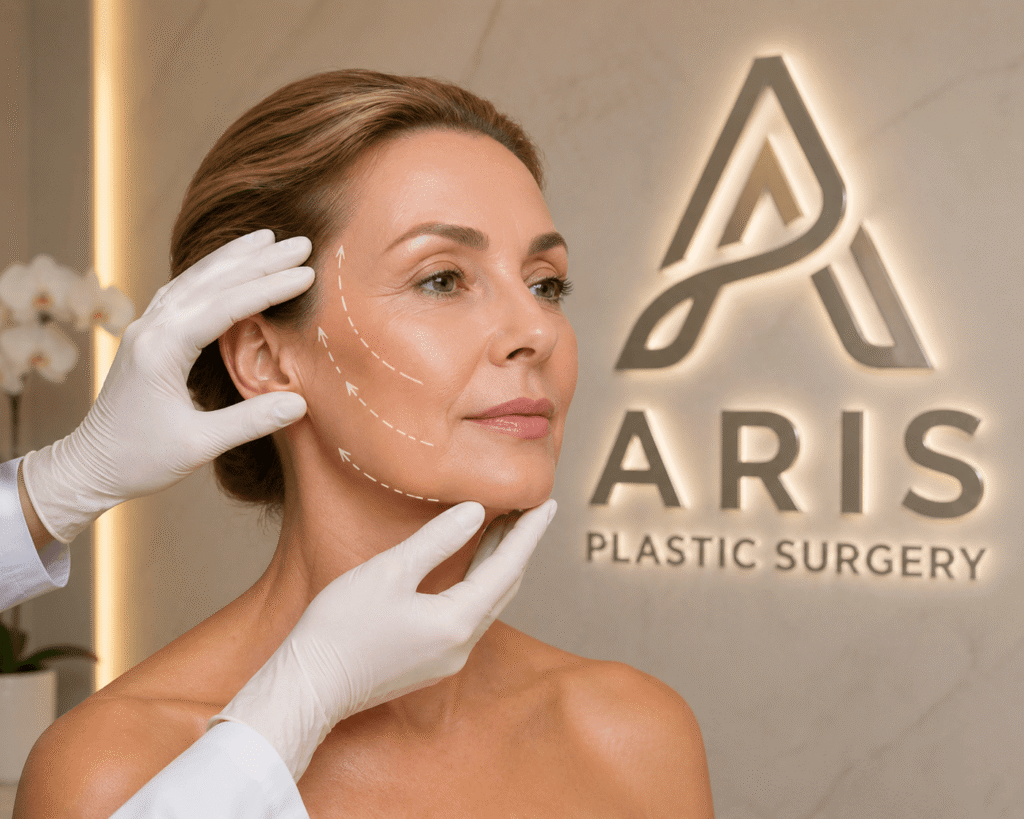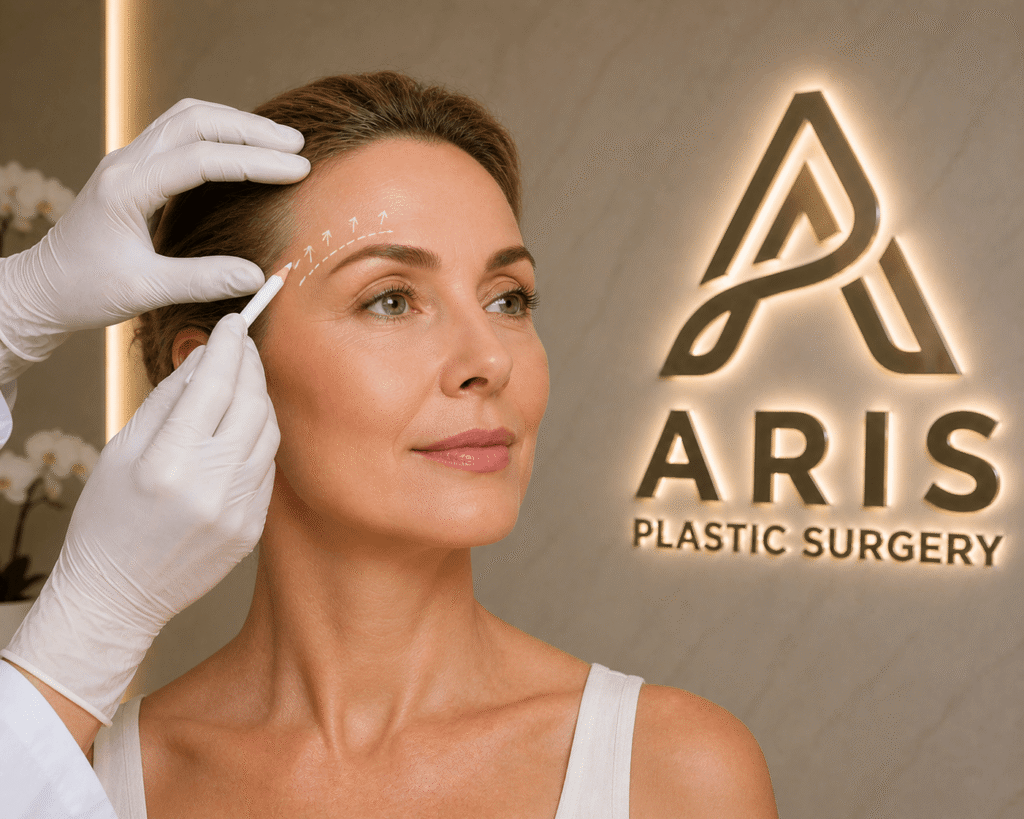
Fat transfer, also known as fat grafting, is a cosmetic procedure that uses your body’s own fat to restore volume, improve contours, and enhance targeted areas naturally. Fat is gently removed from one area of the body and strategically transferred to areas needing fullness or rejuvenation.
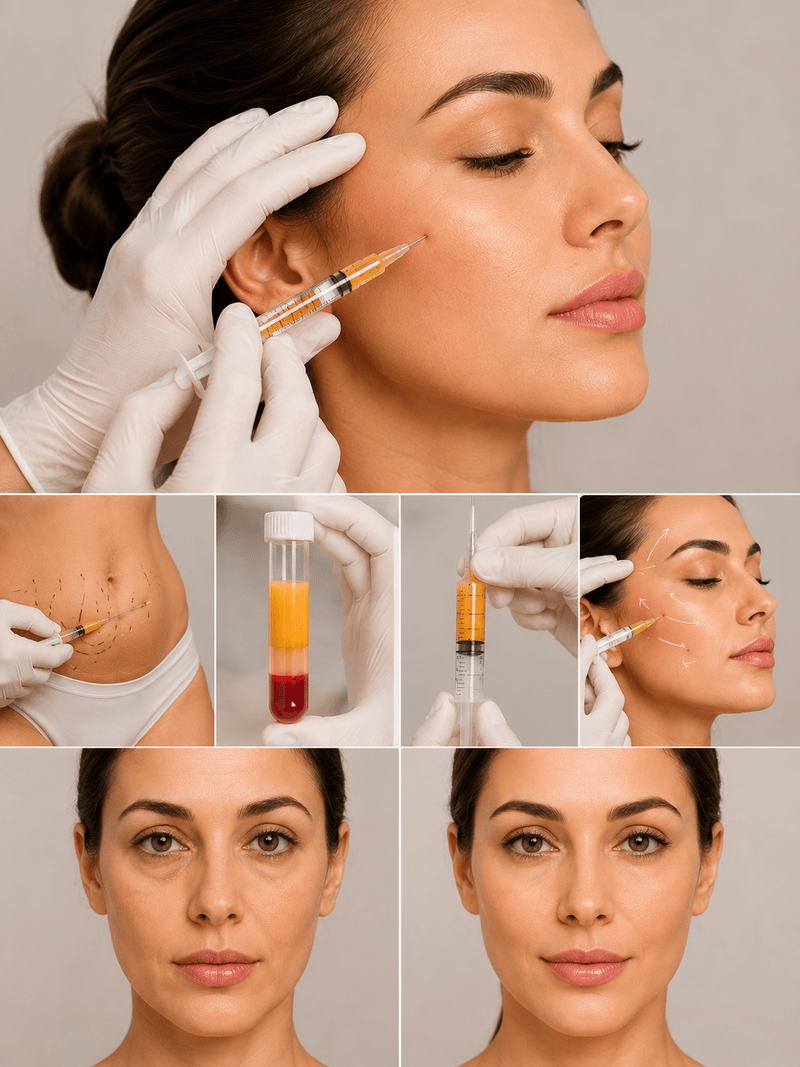
Fat transfer, also known as fat grafting, is a cosmetic procedure that removes unwanted fat from one area of the body—such as the abdomen, thighs, or flanks—and carefully transfers it to another area that requires added volume or contour enhancement.
The purified fat is strategically injected to create soft, natural-looking fullness while improving overall body balance and definition.
Common treatment areas include the face, lips, breasts, buttocks, hands, and under-eye area.
Modern fat transfer techniques focus on smooth, natural-looking enhancement using your body’s own tissue for long-lasting and harmonious results.
Meet with our specialist to discuss your goals, evaluate donor fat areas, and determine the best transfer technique for natural-looking enhancement and contour balance.
Performed under local anesthesia with sedation or general anesthesia, the procedure typically takes 2–4 hours. Fat is gently removed through liposuction, purified, and strategically injected into the treatment area.
As healing progresses, treated areas appear fuller, smoother, and naturally enhanced with improved contour and balance.
Uses your own fat to create soft, natural-looking fullness without implants or synthetic fillers.
Removes unwanted fat from donor areas while enhancing another area of the body.
Restores proportion and contour for smoother, more harmonious results.
Transferred fat that successfully integrates can provide durable, long-term enhancement.
Because your own tissue is used, results often feel and move more naturally than implants or fillers.
Many patients feel more confident after restoring youthful volume and refined contours.
Common during the first 1–2 weeks in both donor and treatment areas. Most symptoms gradually improve with healing.
A portion of the transferred fat may naturally be absorbed by the body over time, which can slightly affect final volume.
Rare but possible. Prevented with sterile techniques and treated effectively if detected early.
Local anesthesia with sedation or general anesthesia carries standard risks, which are carefully monitored by the medical team.
Minor contour irregularities or uneven healing may occur during recovery and typically improve over time.
Each patient heals differently, and additional touch-up procedures may occasionally be required for optimal results.