MONS LIFT SURGERY
REFINE & RESTORE
SMOOTHER, MORE BALANCED CONTOURS
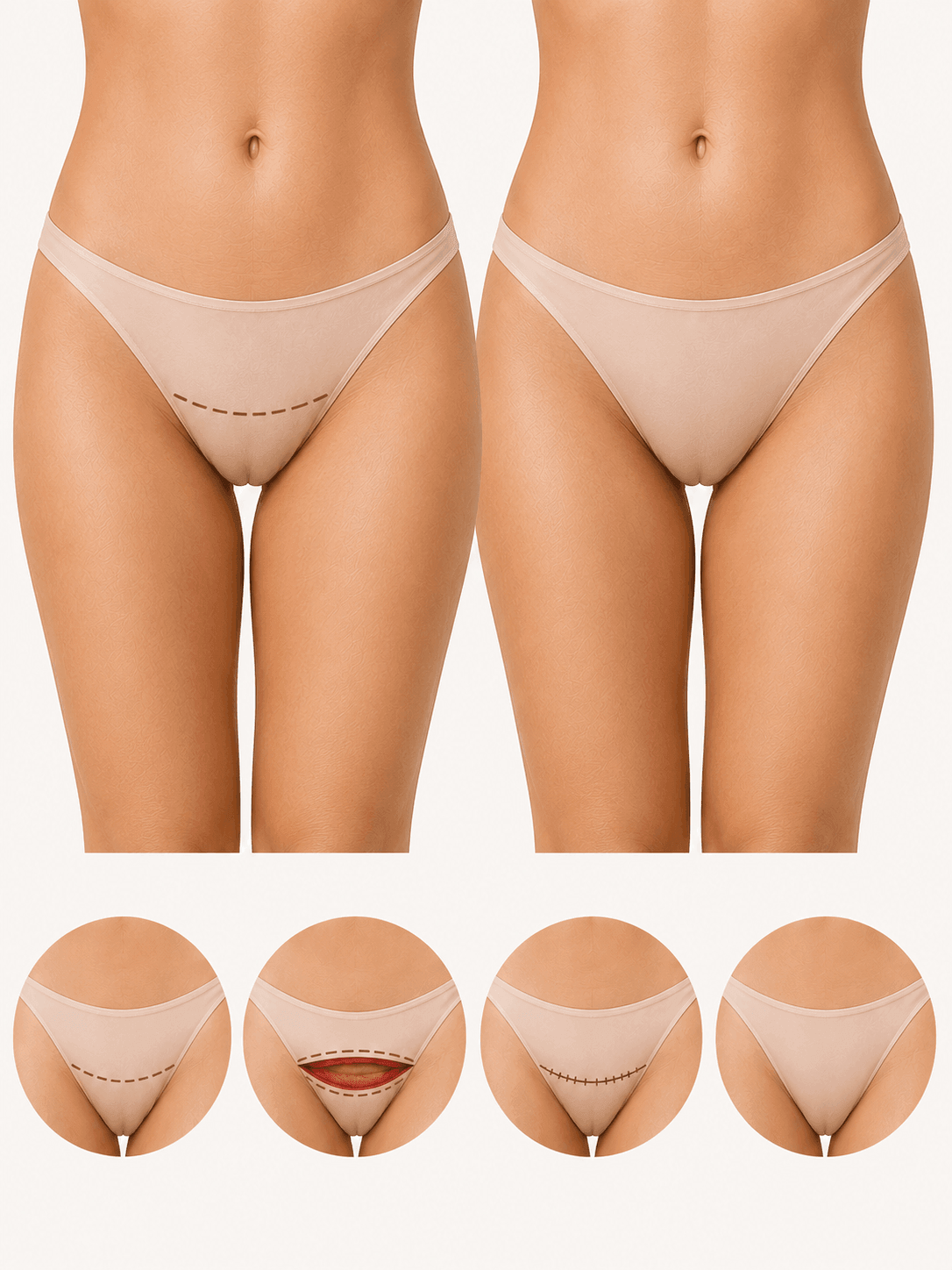
A mons lift is a cosmetic procedure designed to tighten and lift the mons pubis area by removing excess skin and tissue. The procedure helps create smoother lower abdominal contours, improve comfort, and restore confidence after weight loss, aging, or pregnancy-related changes.
Procedure Time
Recovery
Anaesthesia
600+
Board Certified
Plastic Surgeon
ABPS · ABS
Understanding the Procedure
What Is
Mons Lift Surgery?
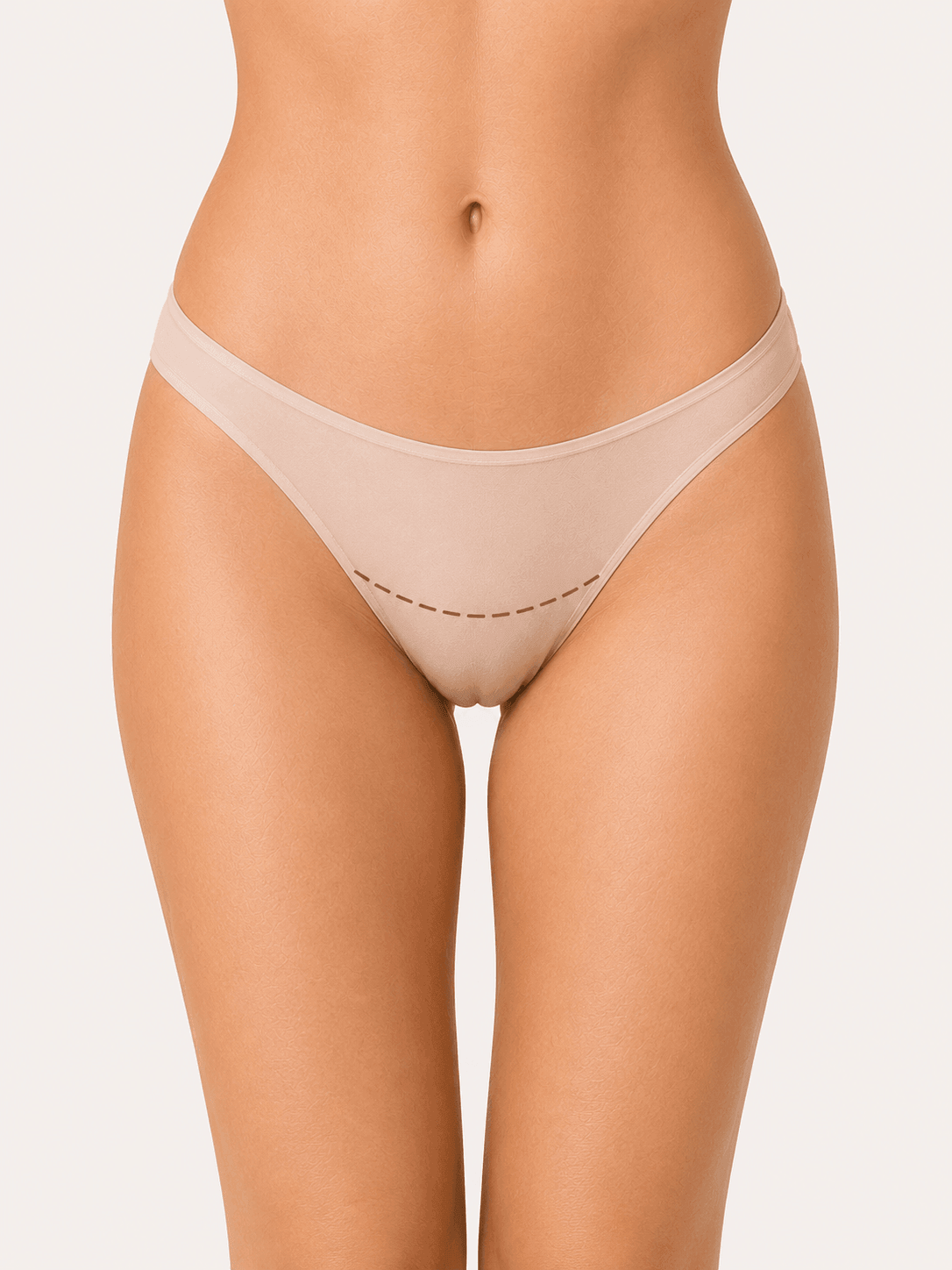
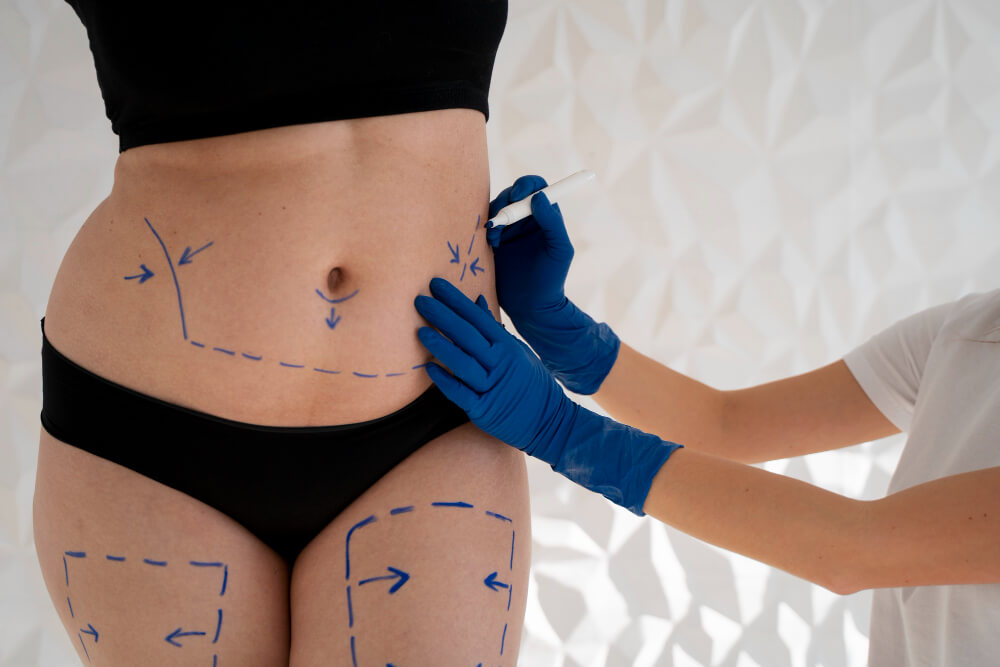
A mons lift is a cosmetic surgical procedure designed to tighten and elevate the mons pubis area by removing excess skin and tissue. The procedure creates smoother, firmer lower abdominal contours while improving proportion, comfort, and confidence.
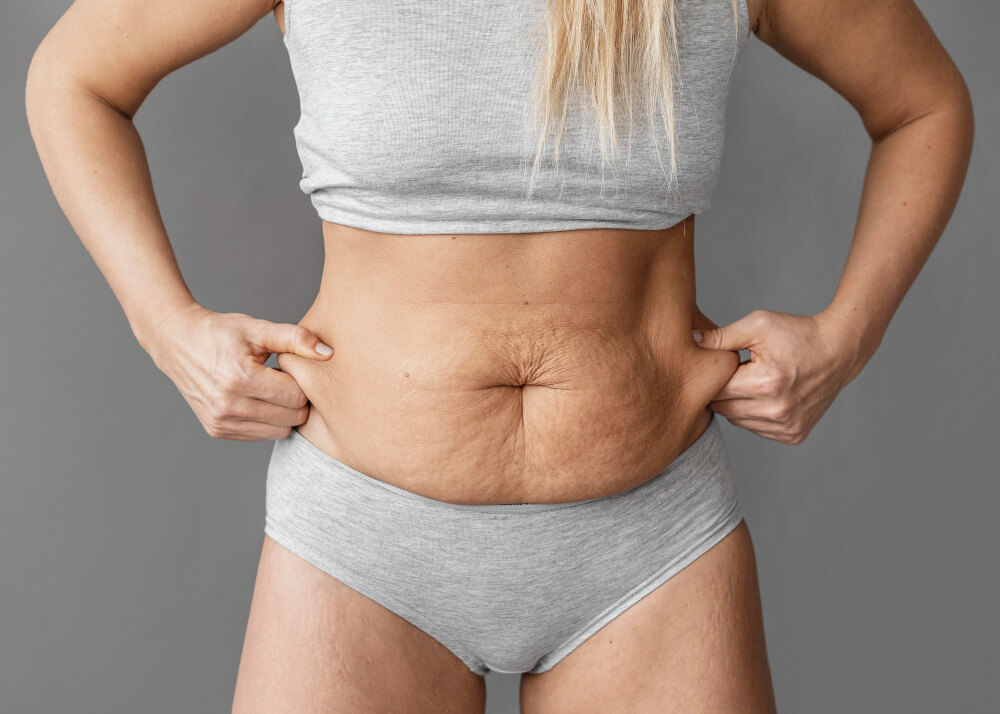
A mons lift is commonly performed after significant weight loss, pregnancy, aging, or changes in skin elasticity that cause sagging or fullness in the pubic area.
This procedure primarily addresses:
- Sagging or loose skin in the mons pubis area
- Excess fullness or protrusion of the pubic mound
- Lower abdominal contour irregularities
- Skin laxity after weight loss or pregnancy
- Discomfort in fitted clothing or swimwear
- Loss of confidence related to lower body appearance
A mons lift may be performed alone or combined with procedures such as tummy tuck, liposuction, or post weight loss body contouring for more comprehensive lower body enhancement.
Modern mons lift techniques focus on creating natural-looking, balanced contours while preserving comfort and proportion.
Who Is This Procedure For?
Are You a Good Fit?
Am I a Good
Candidate?
- You are in good overall health with no serious medical conditions
- You have sagging or excess skin in the mons pubis area
- You have experienced weight loss, pregnancy, or aging-related skin laxity
- You feel discomfort in fitted clothing or swimwear
- You want smoother, firmer lower body contours
- You have realistic expectations about the outcome
- You are a non-smoker or willing to stop before surgery
Not Sure If You Qualify?
- One-on-one consultation with an expert
- Personalized treatment planning
- No obligation to proceed
Your Journey
What to Expect
Before Surgery
Preparation
Surgery Day
Healing
The Outcome
WHY CONSIDER A MONS LIFT
The Benefits of
Mons Lift Surgery
Smoother Lower Abdominal Contours
Improves the transition between the lower abdomen and pubic area for a firmer, more balanced appearance.
Reduction of Excess Skin & Fullness
Removes sagging tissue and reduces excess fullness in the mons pubis area.
Improved Comfort in Clothing
Many patients experience greater comfort wearing fitted clothing, leggings, swimwear, and undergarments after surgery.
Enhanced Body Proportion
Creates a smoother, more proportionate lower body contour following weight loss, pregnancy, or aging-related changes.
Natural-Looking Results
Modern techniques focus on subtle enhancement while preserving natural body balance and contour.
Boost in Confidence
Many patients feel more comfortable and confident in both clothing and intimate settings after improving lower body contours.
Transparency First
Risks &
Considerations
Swelling & Bruising
Common during the first 1–2 weeks. Most symptoms gradually improve with proper care and healing.
Temporary Tightness or Sensitivity
Some patients may experience temporary tightness, numbness, or sensitivity during recovery.
Scarring
Incisions are carefully placed within lower abdominal contours and typically fade significantly over time with proper healing.
Healing Variations or Asymmetry
Healing differs from patient to patient. Minor asymmetry or contour irregularities may occasionally occur during recovery.
Anaesthesia Risks
General anesthesia or local anesthesia with sedation carries standard risks, which are carefully monitored by the medical team.
Infection or Fluid Accumulation
Rare but possible. Prevented with sterile techniques and managed effectively if detected early.
Investment & Financing
Cost &
Financing Options
Typical Range
Get a Personalised Quote
- Surgeon fee
- Anaesthesiology fee
- Accredited surgical facility fee
- All pre- and post-operative appointments
- Medications and recovery support
- Follow-up support during recovery
Common Questions
Mons Lift
FAQs
How long does mons lift recovery take?
Most patients return to light daily activities within 1–2 weeks. Swelling and tenderness continue to improve over the following weeks.
Will the results look natural?
Will there be visible scars?
Can a mons lift be combined with other procedures?
When will I see final results?
Is mons lift surgery painful?
Will the results be permanent?
How do I prepare for my consultation?
You May Also Consider
Related Procedures
Body Contouring
Body Contouring